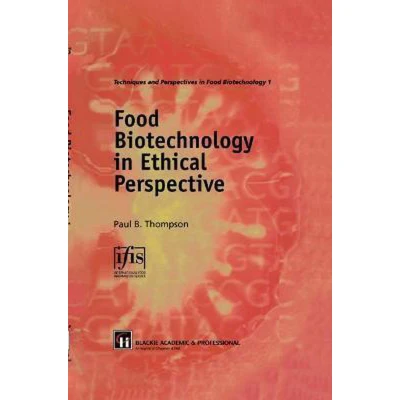
Food Biotechnology in Ethical Perspective
Prijzen vanaf
25,83

Uitgelicht

VERGELIJK ALLE AANBIEDERS (2)

Beschrijving

Bol The new edition reflects lessons from the hotly contested debates over those issues in the intervening decade, and includes wholly new discussions on ethical issues associated with livestock cloning, the Precautionary Principle, and the transatlantic debate between United States and European perspectives on biotechnology. Agrifood biotechnology—the genetic transformation of plants and animals through recombinant means—has created controversy in the food system for more than twenty years. This thoroughly revised and amended edition of Paul B. Thompson’s path breaking study of ethical and philosophical issues raised by this technology up to date. The original 1997 edition was the first book length treatment by a philosopher to focus on food and agricultural biotechnology, covering ethical issues associated with risk assessment, labelling, animal transformation, patents, and the impact of biotechnology on traditional farming communities in both the developed and developing world. The new edition reflects lessons from the hotly contested debates over those issues in the intervening decade, and includes wholly new discussions on ethical issues associated with livestock cloning, the Precautionary Principle, and the transatlantic debate between United States and European perspectives on biotechnology. Thompson’s unique and insightful approach to addressing the risks and questions of public acceptability associated with novel technology stands as a model for anyone interested in technological innovation and social change. The book should be of interest to scholars and citizens interested in the Internet or nanotechnology, while it remains an essential resource for understanding the twists and turns of debate over the role of molecular genetics in the transformation of the global food system. Agrifood biotechnology -- the genetic transformation of plants and animals through recombinant means -- has created controversy in the food system for more than twenty years. This thoroughly revised and amended edition of Paul B. Thompson's path breaking study of ethical and philosophical issues raised by this technology up to date. The original 1997 edition was the first book length treatment by a philosopher to focus on food and agricultural biotechnology, covering ethical issues associated with risk assessment, labelling, animal transformation, patents, and the impact of biotechnology on traditional farming communities in both the developed and developing world. The new edition reflects lessons from the hotly contested debates over those issues in the intervening decade, and includes wholly new discussions on ethical issues associated with livestock cloning, the Precautionary Principle, and the transatlantic debate between United States and European perspectives on biotechnology.Thompson's unique and insightful approach to addressing the risks and questions of public acceptability associated with novel technology stands as a model for anyone interested in technological innovation and social change. The book should be of interest to scholars and citizens interested in the Internet or nanotechnology, while it remains an essential resource for understanding the twists and turns of debate over the role of molecular genetics in the transformation of the global food system.

Vergelijk aanbieders (2)

Shop
Prijs
Verzendkosten
Totale prijs
25,83
gebruikt
Gratis
25,83
Naar shop
Gratis Shipping Costs
105,00
Gratis
105,00
Naar shop
Gratis Shipping Costs
Beschrijving (2)
Bol

The new edition reflects lessons from the hotly contested debates over those issues in the intervening decade, and includes wholly new discussions on ethical issues associated with livestock cloning, the Precautionary Principle, and the transatlantic debate between United States and European perspectives on biotechnology. Agrifood biotechnology—the genetic transformation of plants and animals through recombinant means—has created controversy in the food system for more than twenty years. This thoroughly revised and amended edition of Paul B. Thompson’s path breaking study of ethical and philosophical issues raised by this technology up to date. The original 1997 edition was the first book length treatment by a philosopher to focus on food and agricultural biotechnology, covering ethical issues associated with risk assessment, labelling, animal transformation, patents, and the impact of biotechnology on traditional farming communities in both the developed and developing world. The new edition reflects lessons from the hotly contested debates over those issues in the intervening decade, and includes wholly new discussions on ethical issues associated with livestock cloning, the Precautionary Principle, and the transatlantic debate between United States and European perspectives on biotechnology. Thompson’s unique and insightful approach to addressing the risks and questions of public acceptability associated with novel technology stands as a model for anyone interested in technological innovation and social change. The book should be of interest to scholars and citizens interested in the Internet or nanotechnology, while it remains an essential resource for understanding the twists and turns of debate over the role of molecular genetics in the transformation of the global food system. Agrifood biotechnology -- the genetic transformation of plants and animals through recombinant means -- has created controversy in the food system for more than twenty years. This thoroughly revised and amended edition of Paul B. Thompson's path breaking study of ethical and philosophical issues raised by this technology up to date. The original 1997 edition was the first book length treatment by a philosopher to focus on food and agricultural biotechnology, covering ethical issues associated with risk assessment, labelling, animal transformation, patents, and the impact of biotechnology on traditional farming communities in both the developed and developing world. The new edition reflects lessons from the hotly contested debates over those issues in the intervening decade, and includes wholly new discussions on ethical issues associated with livestock cloning, the Precautionary Principle, and the transatlantic debate between United States and European perspectives on biotechnology.Thompson's unique and insightful approach to addressing the risks and questions of public acceptability associated with novel technology stands as a model for anyone interested in technological innovation and social change. The book should be of interest to scholars and citizens interested in the Internet or nanotechnology, while it remains an essential resource for understanding the twists and turns of debate over the role of molecular genetics in the transformation of the global food system.

Bol Partner

This book provides an overview of ethical issues arising in connection with progress made in food biotechnology. There is substantive discussion of the ethical issues referring to food safety, animal welfare, environmental impact, ownership of intellectual property, and consumer perception of the product. An overview of ethical issues arising in connection with progress made in food biotechnology. The book provides a discussion of the ethical issues referring to food safety, animal welfare, environmental impact, ownership of intellectual property, and consumer perception of the product. The arguments for and against issues causing major concern are evaluated, advancing the quality of the debate. This book should be of interest to biotechnologists and food scientists in the industry, academic and research institutions; and policy makers in government and industry.


Productspecificaties

EAN
  • 9780412783807
  • 9781402057908
Maat

Prijzen voor het laatst bijgewerkt op:

Uitgelichte Keuze
25,83
Naar shop