








Food Waste, Insecurity, and the Globalization of Banks
Uitgelicht

|
47,94 |
Naar shop
|

|
54,45 |
Naar shop
|
 Beschrijving
Bol
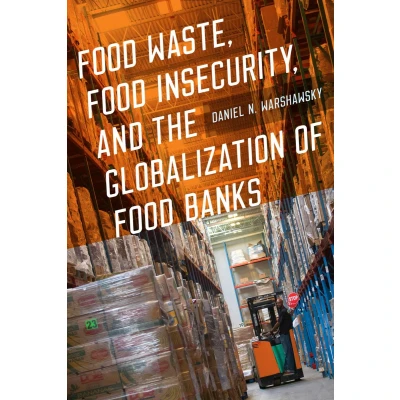
From their origins in North America in the 1960s, food banks provide food to communities in approximately one hundred countries on six continents. This book analyses the development of food banks across the world and the limits of food charity as a means to reduce food insecurity and food waste. Food banks—warehouses that collect and systematize surplus food—have expanded into one of the largest mechanisms to redistribute food waste. From their origins in North America in the 1960s, food banks provide food to communities in approximately one hundred countries on six continents. This book analyzes the development of food banks across the world and the limits of food charity as a means to reduce food insecurity and food waste. Based on fifteen years of in-depth fieldwork on four continents, Daniel Warshawsky illustrates how and why food banks proliferate across the globe even though their impacts may be limited. He suggests that we need to reformulate the role of food banks. The mission of food banks needs to be more realistic, as food surpluses cannot reduce food insecurity on a significant scale. Food banks need to regain their institutional independence from the state and corporations, and incorporate the knowledge and experiences of the food insecure in the daily operations of the food system. These collective changes can contribute to a future where food banks play a smaller but more targeted role in food systems.


 Beschrijving
(2)
Beschrijving
(2)
From their origins in North America in the 1960s, food banks provide food to communities in approximately one hundred countries on six continents. This book analyses the development of food banks across the world and the limits of food charity as a means to reduce food insecurity and food waste. Food banks—warehouses that collect and systematize surplus food—have expanded into one of the largest mechanisms to redistribute food waste. From their origins in North America in the 1960s, food banks provide food to communities in approximately one hundred countries on six continents. This book analyzes the development of food banks across the world and the limits of food charity as a means to reduce food insecurity and food waste. Based on fifteen years of in-depth fieldwork on four continents, Daniel Warshawsky illustrates how and why food banks proliferate across the globe even though their impacts may be limited. He suggests that we need to reformulate the role of food banks. The mission of food banks needs to be more realistic, as food surpluses cannot reduce food insecurity on a significant scale. Food banks need to regain their institutional independence from the state and corporations, and incorporate the knowledge and experiences of the food insecure in the daily operations of the food system. These collective changes can contribute to a future where food banks play a smaller but more targeted role in food systems.
AmazonPagina's: 225, Paperback, University of Iowa Press
 Productspecificaties
 Prijshistorie
* Prijshistorie bevat geen data van Amazon.
Prijzen voor het laatst bijgewerkt op:
 Gerelateerde resultaten


