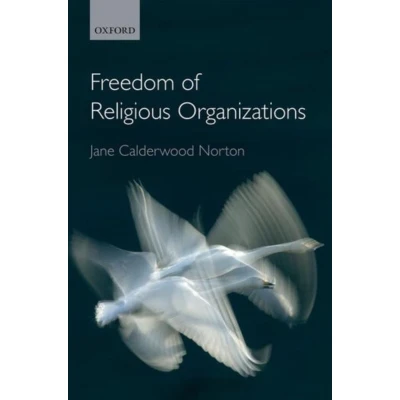

Freedom of Religious Organizations

Prijzen vanaf
52,69

Uitgelicht

VERGELIJK ALLE AANBIEDERS (2)

Beschrijving

Bol Partner An analysis of the interaction between religious organizations and the law, this book will examine how English law applies to religious organizations where there are conflicts between the organization and the law. Religious freedom is now widely accepted as fundamental to any liberal democracy. It is recognised in domestic, regional, and international human rights instruments and its importance is lauded by philosophers, lawyers, judges, clergy, and even politicians. While it is easy to support religious freedom in the abstract, tensions can arise between the activities of religious organizations and the law that challenge this general commitment to religious freedom. Should religious organizations be permitted to discriminate against women or gay people in their employment practices, when admitting members, or in providing goods and services? Should the courts interfere in these organizations to protect the interests of a disaffected member or to resolve internal property disputes? Should the state allow religious tribunals to determine or advise on family matters? While much has been written about religious individuals and the law, there has been a discernible lack of literature on organizations and the law. Jane Norton fills this gap with Freedom of Religious Organizations. By exploring potential conflicts between the law and religious organizations, and examining whether the current British response to such conflicts is justified, this book will consider when English law ought to apply to religious organizations and how these conflicts should be dealt with.

Vergelijk aanbieders (2)

Shop
Prijs
Verzendkosten
Totale prijs
52,69
gebruikt
Gratis
52,69
Naar shop
Gratis Shipping Costs
83,99
64,99
Gratis
64,99
Naar shop
Gratis Shipping Costs
Beschrijving (2)
Bol Partner

An analysis of the interaction between religious organizations and the law, this book will examine how English law applies to religious organizations where there are conflicts between the organization and the law. Religious freedom is now widely accepted as fundamental to any liberal democracy. It is recognised in domestic, regional, and international human rights instruments and its importance is lauded by philosophers, lawyers, judges, clergy, and even politicians. While it is easy to support religious freedom in the abstract, tensions can arise between the activities of religious organizations and the law that challenge this general commitment to religious freedom. Should religious organizations be permitted to discriminate against women or gay people in their employment practices, when admitting members, or in providing goods and services? Should the courts interfere in these organizations to protect the interests of a disaffected member or to resolve internal property disputes? Should the state allow religious tribunals to determine or advise on family matters? While much has been written about religious individuals and the law, there has been a discernible lack of literature on organizations and the law. Jane Norton fills this gap with Freedom of Religious Organizations. By exploring potential conflicts between the law and religious organizations, and examining whether the current British response to such conflicts is justified, this book will consider when English law ought to apply to religious organizations and how these conflicts should be dealt with.

Bol

Religious freedom is now widely accepted as fundamental to any liberal democracy. It is recognised in domestic, regional, and international human rights instruments and its importance is lauded by philosophers, lawyers, judges, clergy, and even politicians. While it is easy to support religious freedom in the abstract, tensions can arise between the activities of religious organizations and the law that challenge this general commitment to religious freedom. Should religious organizations be permitted to discriminate against women or gay people in their employment practices, when admitting members, or in providing goods and services? Should the courts interfere in these organizations to protect the interests of a disaffected member or to resolve internal property disputes? Should the state allow religious tribunals to determine or advise on family matters? While much has been written about religious individuals and the law, there has been a discernible lack of literature on organizations and the law. Jane Norton fills this gap with Freedom of Religious Organizations. By exploring potential conflicts between the law and religious organizations, and examining whether the current British response to such conflicts is justified, this book will consider when English law ought to apply to religious organizations and how these conflicts should be dealt with.


Productspecificaties

EAN
  • 9780199689682
  • 9780191004056
Maat


Prijshistorie

Prijzen voor het laatst bijgewerkt op:

Uitgelichte Keuze
52,69
Naar shop
