


€ 29,99 Gratis verzending

Uitgelicht
|
|
29,99 |
Naar shop
|

|
32,12 |
Naar shop
|
| VERGELIJK ALLE AANBIEDERS (2) | ||
 Beschrijving
Vergelijk aanbieders (2)
€ 29,99 Gratis verzending
€ 32,12 Gratis verzending
Winkels met andere maten
Beschrijving
(1)
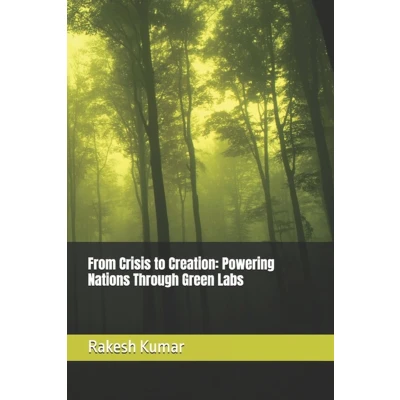
We are living at a decisive moment in human history-one where the consequences of climate change are no longer distant projections but lived realities. Heatwaves overwhelm cities, air pollution threatens public health, water scarcity disrupts livelihoods, and extreme weather events strain economies and institutions alike. For decades, our response has largely been reactive: emergency measures, short-term fixes, and fragmented interventions deployed after damage has already occurred. This approach is no longer sufficient. This book begins with a simple but urgent premise: the future demands a shift from reaction to reinvention. Climate challenges are not only environmental problems; they are systemic issues that intersect with health, energy, food, industry, urbanization, and social equity. Addressing them requires a new model of innovation-one that is anticipatory, collaborative, ethical, and deeply rooted in real-world impact. > Throughout this book, we explore how advances in AI, IoT, digital twins, clean energy, and climate intelligence are redefining innovation. We examine how universities, startups, governments, and citizens can co-create solutions, how policy can accelerate adoption, and how equity and justice must be embedded into every climate response. From emerging economies to global innovation hubs, the lessons are clear: climate solutions must be scalable, inclusive, and grounded in trust. This is not a book about fear or inevitability. It is a blueprint for possibility. A call to move beyond crisis management toward intentional, regenerative innovation. The journey ahead demands leadership, imagination, and collective action-but it also offers an unprecedented opportunity to redesign our systems for a safer, healthier, and more sustainable world.
 Prijshistorie
 * Prijshistorie bevat geen data van Amazon.
Prijzen voor het laatst bijgewerkt op:
 Gerelateerde resultaten
 Productspecificaties


