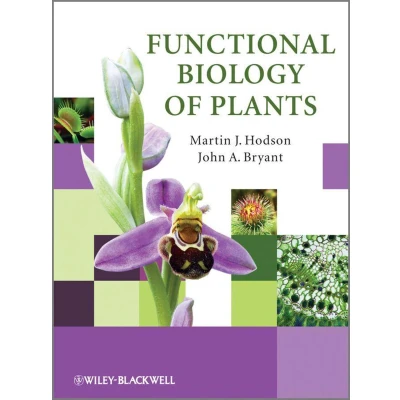

Functional Biology Of Plants

Prijzen vanaf
64,68

Uitgelicht

VERGELIJK ALLE AANBIEDERS (2)

Beschrijving

Bol Partner This book provides students and researchers with a clearly written, well-structured whole plant physiology guide. Early in the text, it delivers essential information on molecular and cellular processes so readers can understand how theses processes are integrated into the development and function of the plant at whole-plant level. Functional Biology of Plants provides students and researchers with a clearly written, well structured whole plant physiology text. Early in the text, it provides essential information on molecular and cellular processes so that the reader can understand how they are integrated into the development and function of the plant at whole-plant level. Thus, this beautifully illustrated book, presents a modern, applied integration of whole-plant and molecular approaches to the study of plants. The book is divided into four parts: Part 1: Genes and Cells, looks at the evolutionary origins of plants, cell structure, biochemical processes and genes and development. Part 2: The Functioning Plant, describes the structure and function of roots, stems, leaves, flowers and seed and fruits development. Part 3: Interactions and Adaptations, examines environmental and biotic stresses and how plants adapt and acclimatise to these conditions. Part 4: Future Directions, illustrates the great importance of plant research by looking at some well chosen, topical examples including responses to climate change, biomass and bio-fuels, loss of plant biodiversity and genetic modification of crop plants. Text boxes, many of which illustrate particular aspects of how humans make use of plants, are included throughout the text and a comprehensive glossary will prove invaluable to those coming to the subject from other area of life science. A modern integration of whole plant and molecular approaches. Focuses on the networks of processes and functions within organs and their integration in the whole plant. Covers generic aspects of plant development. Beautifully illustrated with full colour illustrations throughout. Clearly written by two authors with many years of teaching experience. Functional Biology of Plants provides students and researchers with a clearly written, well structured whole plant physiology text. Early in the text, it provides essential information on molecular and cellular processes so that the reader can understand how they are integrated into the development and function of the plant at whole-plant level. Thus, this beautifully illustrated book, presents a modern, applied integration of whole plant and molecular approaches to the study of plants. It is divided into four parts: Part 1: Genes and Cells, looks at the origins of plants, cell structure, biochemical processes and genes and development. Part 2: The Functioning Plant, describes the structure and function of roots, stems, leaves, flowers and seed and fruit development. Part 3: Interactions and Adaptations, examines environmental and biotic stresses and how plants adapt and acclimatise to these conditions. Part 4: Future Directions, illustrates the great importance of plant research by looking at some well chosen, topical examples such as GM crops, biomass and bio-fuels, loss of plant biodiversity and the question of how to feed the planet. Throughout the book there are text boxes to illustrate particular aspects of how humans make use of plants, and a comprehensive glossary proves invaluable to those coming to the subject from other areas of life science.

Vergelijk aanbieders (2)

Shop
Prijs
Verzendkosten
Totale prijs
64,68
gebruikt
Gratis
64,68
Naar shop
Gratis Shipping Costs
82,99
Gratis
82,99
Naar shop
Gratis Shipping Costs
Beschrijving (2)
Bol Partner

This book provides students and researchers with a clearly written, well-structured whole plant physiology guide. Early in the text, it delivers essential information on molecular and cellular processes so readers can understand how theses processes are integrated into the development and function of the plant at whole-plant level. Functional Biology of Plants provides students and researchers with a clearly written, well structured whole plant physiology text. Early in the text, it provides essential information on molecular and cellular processes so that the reader can understand how they are integrated into the development and function of the plant at whole-plant level. Thus, this beautifully illustrated book, presents a modern, applied integration of whole-plant and molecular approaches to the study of plants. The book is divided into four parts: Part 1: Genes and Cells, looks at the evolutionary origins of plants, cell structure, biochemical processes and genes and development. Part 2: The Functioning Plant, describes the structure and function of roots, stems, leaves, flowers and seed and fruits development. Part 3: Interactions and Adaptations, examines environmental and biotic stresses and how plants adapt and acclimatise to these conditions. Part 4: Future Directions, illustrates the great importance of plant research by looking at some well chosen, topical examples including responses to climate change, biomass and bio-fuels, loss of plant biodiversity and genetic modification of crop plants. Text boxes, many of which illustrate particular aspects of how humans make use of plants, are included throughout the text and a comprehensive glossary will prove invaluable to those coming to the subject from other area of life science. A modern integration of whole plant and molecular approaches. Focuses on the networks of processes and functions within organs and their integration in the whole plant. Covers generic aspects of plant development. Beautifully illustrated with full colour illustrations throughout. Clearly written by two authors with many years of teaching experience. Functional Biology of Plants provides students and researchers with a clearly written, well structured whole plant physiology text. Early in the text, it provides essential information on molecular and cellular processes so that the reader can understand how they are integrated into the development and function of the plant at whole-plant level. Thus, this beautifully illustrated book, presents a modern, applied integration of whole plant and molecular approaches to the study of plants. It is divided into four parts: Part 1: Genes and Cells, looks at the origins of plants, cell structure, biochemical processes and genes and development. Part 2: The Functioning Plant, describes the structure and function of roots, stems, leaves, flowers and seed and fruit development. Part 3: Interactions and Adaptations, examines environmental and biotic stresses and how plants adapt and acclimatise to these conditions. Part 4: Future Directions, illustrates the great importance of plant research by looking at some well chosen, topical examples such as GM crops, biomass and bio-fuels, loss of plant biodiversity and the question of how to feed the planet. Throughout the book there are text boxes to illustrate particular aspects of how humans make use of plants, and a comprehensive glossary proves invaluable to those coming to the subject from other areas of life science.

Bol

Functional Biology of Plants provides students and researchers with a clearly written, well structured whole plant physiology text. Early in the text, it provides essential information on molecular and cellular processes so that the reader can understand how they are integrated into the development and function of the plant at whole-plant level. Thus, this beautifully illustrated book, presents a modern, applied integration of whole plant and molecular approaches to the study of plants.It is divided into four parts: Part 1: Genes and Cells, looks at the origins of plants, cell structure, biochemical processes and genes and development. Part 2: The Functioning Plant, describes the structure and function of roots, stems, leaves, flowers and seed and fruit development. Part 3: Interactions and Adaptations, examines environmental and biotic stresses and how plants adapt and acclimatise to these conditions. Part 4: Future Directions, illustrates the great importance of plant research by looking at some well chosen, topical examples such as GM crops, biomass and bio-fuels, loss of plant biodiversity and the question of how to feed the planet.Throughout the book there are text boxes to illustrate particular aspects of how humans make use of plants, and a comprehensive glossary proves invaluable to those coming to the subject from other areas of life science.


Productspecificaties

EAN
  • 9780470699393
  • 9781119945062
Maat


Prijshistorie

Prijzen voor het laatst bijgewerkt op:

Uitgelichte Keuze
64,68
Naar shop
