


€ 18,00 € 2,99 verzendkosten Totaal € 20,99

Gesponsorde links
|
|
18,00 |
Naar shop
|

|
18,35 |
Naar shop
|

|
18,35 |
Naar shop
|
| VERGELIJK ALLE AANBIEDERS (3) | ||
 Beschrijving
Vergelijk aanbieders (3)
Gesponsorde links · Sommige shops betalen ons een vergoeding
€ 18,00 € 2,99 verzendkosten Totaal € 20,99
€ 18,35 Gratis verzending
€ 18,35 Gratis verzending
Winkels met andere maten
Beschrijving
(1)
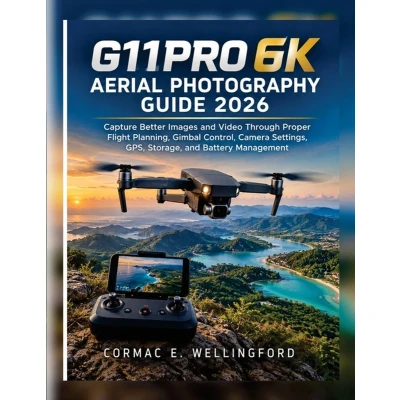
The best aerial shot is often decided before the propellers start turning.Light direction. Altitude. Route. Gimbal angle. Battery reserve. Available storage. The pace of a camera movement.Get those decisions wrong and a flight can produce plenty of files but very little footage worth keeping.G11PRO 6K Aerial Photography Guide 2026 approaches the aircraft from the photographer's side of the controller. Rather than treating every flight as another practice session, it shows you how to plan around the image you actually want to bring home.The G11PRO can capture high-resolution still photographs and stabilized video, but specifications alone do not create a strong frame. Good aerial work depends on combining camera choices, smooth aircraft movement, positioning, timing, and disciplined flight management.This guide shows you how to: - scout a scene and build a practical shot plan before takeoff- choose altitude and viewing angle according to the subject rather than simply flying higher- use controlled gimbal movement to reveal, follow, and frame a scene more deliberately- understand the camera options that influence brightness, motion, detail, and overall image quality- coordinate aircraft movement with the three-axis gimbal for cleaner pans, approaches, pull-backs, circles, and tracking sequences- use GPS-assisted functions without allowing automation to dictate the composition- prepare waypoint and route-based flights around the photograph or sequence you intend to capture- recognize when wind, changing light, distance, or remaining power should change the shooting plan- organize battery use so the most important shots are attempted with adequate reserve- manage recorded files and card capacity before a valuable sequence is lost to poor storage preparation- review stills and clips critically and recognize what should be corrected on the next flightThe emphasis is practical: decide what the camera needs to see, position the aircraft to make that possible, then move only as much as the shot requires.That change in approach matters. Instead of returning with long stretches of wandering footage, you begin flying in sequences. Instead of pointing the camera toward anything interesting, you learn to work with shape, scale, foreground, repetition, leading lines, light, and movement from an elevated viewpoint.GPS, stabilization, battery technology, and automated modes can make a flight easier. They cannot decide where the frame should begin, when the movement should stop, or which view is worth recording.Those decisions remain with the pilot behind the camera.Plan the frame before the props spin, fly with the shot in mind, and bring home photographs and footage that were worth taking off for.
 Prijshistorie
* Prijshistorie bevat geen data van Amazon, Amazon Marketplace.
Prijzen voor het laatst bijgewerkt op:
 Gerelateerde resultaten
 Productspecificaties


