


€ 109,14 Gratis verzending

Uitgelicht
|
|
109,14 |
Naar shop
|

|
315,99 |
Naar shop
|

|
315,99 |
Naar shop
|
| VERGELIJK ALLE AANBIEDERS (3) | ||
 Beschrijving
Vergelijk aanbieders (3)
€ 109,14 Gratis verzending
€ 315,99 Gratis verzending
€ 315,99 Gratis verzending
Winkels met andere maten
Beschrijving
(1)
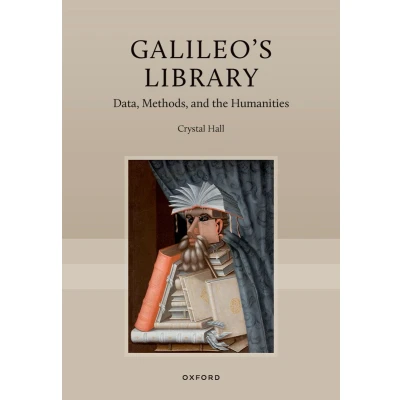
Galileo's Library recounts how and why Galileo collected hundreds of books and manuscripts, and how family and fame led to his library's dispersal, forgeries, thefts, and, in a few cases, preservation. Crystal Hall uses data visualizations to uncover details about the importance of print and written materials in shaping his reputation. Galileo Galilei (1564-1642) amassed an impressive personal library over his lifetime. Reuniting 800 such items, Crystal Hall tells a story of fame and infamy, breakthroughs and frustrations, forgery and authenticity. The meaning of Galileo's library changes each time the books are represented in different kinds of texts, including existing letters, citations of authors in books that Galileo wrote, his annotations, and household inventories made when members of his family died. Hall examines both what these documents say, and what they omit in the story of the Galilei family libraries. Analytical perspectives from digital humanities, feminist data science, history of science, and literary analysis shed new light on Galileo's role in book circulation. With Galilean inspiration, the author proposes a telescopic reading of the data and data visualizations, a reading that prioritizes anomalies, resists inherited categories, searches for change over time, and emphasizes contextualization to see often unseen trends and structures in this collection of books and manuscripts.
 Prijshistorie
 * Prijshistorie bevat geen data van Amazon, Amazon Marketplace.
Prijzen voor het laatst bijgewerkt op:
 Gerelateerde resultaten
 Productspecificaties


