
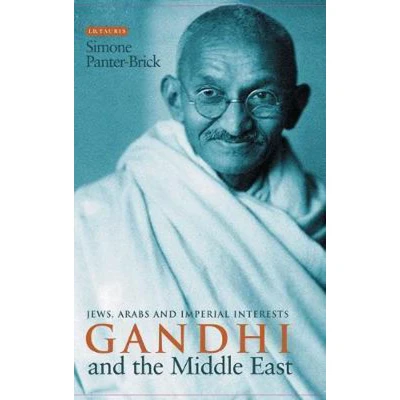
Gandhi and the Middle East
Uitgelicht

|
25,99 |
Naar shop
|

|
28,95 |
Naar shop
|
| VERGELIJK ALLE AANBIEDERS (2) | ||
 Beschrijving
Bol
Gandhi's involvement in Middle Eastern politics is largely forgotten yet it goes to the heart of his teaching and ambition - to lead a united freedom movement against British colonial power. Gandhi became involved in the politics of the Middle East as a result of his concern over the abolition of the Ottoman Caliphate following the First World War. He subsequently - at the invitation of the Jewish Agency - sought to reconcile Jews and Arabs in a secret deal at the time of the Mandate of Palestine. However, Jewish and British interference coupled with the Arab Revolt and the rise of the Muslim League in India thwarted his efforts. Like many who would follow, Gandhi was unable to solve the problems of the Middle East, but this book reveals his sincere and previously obscure attempt to do so. In this ground-breaking history, Simone Panter-Brick reveals a fascinating new facet of Gandhi's work and personality. Drawing on recently discovered letters from Gandhi, Panter-Brick traces his development from his optimistic vision for the Middle East to his plans for a non-violent solution and its ultimate failure. Confronted by opposition on all sides, Gandhi's experience in South Africa and India was not sufficient to enable him to resolve the Palestinians' problems, especially after he became embroiled in a political struggle with Jinnah and the Muslim League in India. The British plan to partition Palestine also helped to derail Gandhi's plans for peace in the region. Even the Jewish Agency refused Gandhi's proposed negotiations - proposals that were never made public. Despite Gandhi's conviction that peace in the Middle East was attainable, he could not overcome these many obstacles. Gandhi's experience in the Middle East was in marked contrast to his other successes around the world and is crucial for a full understanding of his life and teachings. Gandhi in the Middle East offers many new and revealing insights into the goals and limits of an international statesman at a critical period of imperial history.


 Beschrijving
(2)
Beschrijving
(2)
Gandhi's involvement in Middle Eastern politics is largely forgotten yet it goes to the heart of his teaching and ambition - to lead a united freedom movement against British colonial power. Gandhi became involved in the politics of the Middle East as a result of his concern over the abolition of the Ottoman Caliphate following the First World War. He subsequently - at the invitation of the Jewish Agency - sought to reconcile Jews and Arabs in a secret deal at the time of the Mandate of Palestine. However, Jewish and British interference coupled with the Arab Revolt and the rise of the Muslim League in India thwarted his efforts. Like many who would follow, Gandhi was unable to solve the problems of the Middle East, but this book reveals his sincere and previously obscure attempt to do so. In this ground-breaking history, Simone Panter-Brick reveals a fascinating new facet of Gandhi's work and personality. Drawing on recently discovered letters from Gandhi, Panter-Brick traces his development from his optimistic vision for the Middle East to his plans for a non-violent solution and its ultimate failure. Confronted by opposition on all sides, Gandhi's experience in South Africa and India was not sufficient to enable him to resolve the Palestinians' problems, especially after he became embroiled in a political struggle with Jinnah and the Muslim League in India. The British plan to partition Palestine also helped to derail Gandhi's plans for peace in the region. Even the Jewish Agency refused Gandhi's proposed negotiations - proposals that were never made public. Despite Gandhi's conviction that peace in the Middle East was attainable, he could not overcome these many obstacles. Gandhi's experience in the Middle East was in marked contrast to his other successes around the world and is crucial for a full understanding of his life and teachings. Gandhi in the Middle East offers many new and revealing insights into the goals and limits of an international statesman at a critical period of imperial history.
Bol PartnerGandhi became involved in the politics of the Middle East as a result of his concern over the abolition of the Ottoman Caliphate following the First World War. This book offers insights into the goals and limits of an international statesman at a critical period of imperial history. Gandhi's involvement in Middle Eastern politics is largely forgotten, yet it goes to the heart of his teaching and ambition - to lead a united freedom movement against British colonial power. Gandhi became involved in the politics of the Middle East as a result of his concern over the abolition of the Ottoman Caliphate following the First World War. He subsequently - at the invitation of the Jewish Agency - sought to reconcile Jews and Arabs in a secret deal at the time of the Mandate of Palestine. However, Jewish and British interference coupled with the Arab Revolt and the rise of the Muslim League in India thwarted Gandhi's efforts in the region. Like so many who would follow, Gandhi was unable to solve the problems of the Middle East, but this book for the first time reveals his previously obscure attempt to do so. Gandhi's experience in the Middle East was in marked contrast to his other successes around the world and is crucial for a full understanding of his life and teachings. "Gandhi in the Middle East" offers many new and revealing insights into the goals and limits of an international statesman at a critical period of imperial history.
 Productspecificaties
| EAN |
|
|---|---|
| Maat |
|
 Prijshistorie
Prijzen voor het laatst bijgewerkt op:
 Gerelateerde resultaten


