


€ 42,99 Gratis verzending

Uitgelicht
|
|
42,99 |
Naar shop
|
| VERGELIJK ALLE AANBIEDERS (1) | ||
 Beschrijving
Vergelijk aanbieders (1)
€ 42,99 Gratis verzending
Winkels met andere maten
Beschrijving
(1)
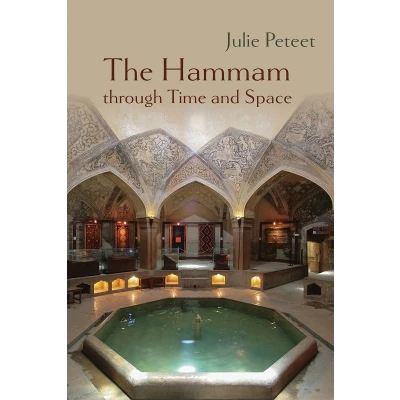
Offers a fascinating tour through the rich cultural history of hammams, or baths, in the Mediterranean and Middle East. In this original work, Julie Peteet provides the first comprehensive examination of hammams through their architecture, the labour pool, clientele, meanings, notions of the body and hygiene, and economy. Julie Peteet offers a fascinating tour through the rich cultural history of hammams, or baths, in the Mediterranean and Middle East. These sacred structures date back to the Bronze and Iron Ages and have evolved through the Hellenistic, Roman, Byzantine, and Islamic periods. In this original work, Peteet provides the first comprehensive examination of hammams through their architecture, the labor pool, clientele, meanings, notions of the body and hygiene, and economy. Exploring the hammam as both a tangible architectural structure and an intangible social practice, Peteet sheds light on how the bath has functioned as a central hub of religious ceremonies and a space that transcends any specific religious affiliation.Although hammams have experienced a decline due to modernization, new domestic technologies, and rejection of the Ottoman-Islamic past, their current reinvigorated form illuminates neoliberal conceptions of heritage and leisure industries. Hammams have become spaces for cleansing and fashioning a gendered and aesthetically appropriate body as defined by a global wellness syndrome. Peteet’s captivating narrative traces the hammam’s historical significance and contemporary role as both a sacred and profane cultural phenomenon.
 Productspecificaties
| EAN |
|
|---|---|
| Maat |
|
 Prijshistorie
 Prijzen voor het laatst bijgewerkt op:
 Gerelateerde resultaten


