








Gender Myths and Feminist Fables
Uitgelicht

|
26,99 |
Naar shop
|
 Beschrijving
Bol
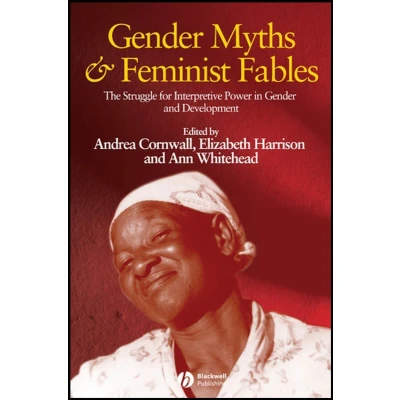
This collection brings together leading feminist thinkers who examine the struggles for interpretive power which underlies international development. Over the last 30 years, ‘gender’ has gained both official status within development institutions and become a recognised field of research and scholarly enquiry. This book explores how bowdlerised and impoverished representations of gender relations have simultaneously come to be embedded in development policy and practice. ‘Gender myths’ and ‘feminist fables’ abound: women are more likely to care for the environment; are better at working together; are less corrupt; have a seemingly infinite capacity to survive. In tracing the ways in which language and images of development are related to practice, the papers in this collection provide a nuanced account of the politics of knowledge production. They also interrogate the implications for feminist engagement with development, arguing that struggles for interpretive power are not only important for their own sake, but also for the implications they have for women’s lives worldwide. This collection brings together leading feminist thinkers who examine the struggles for interpretive power which underlies international development. Questions why the insights from years of feminist gender and development research are so often turned into ‘gender myths’ and ‘feminist fables’: women are more likely to care for the environment; are better at working together; are less corrupt; have a seemingly infinite capacity to survive Explores how bowdlerized and impoverished representations of gender relations have simultaneously come to be embedded in development policy and practice Traces the ways in which language and images of development are related to practice and provides a nuanced account of the politics of knowledge production Argues that struggles for interpretive power are not only important for our own sake, but also for the implications they have for women’s lives worldwide An informed analysis of how ‘gender’ has been transformed in its transfer into development policy and how many authors are now revisiting and reflecting on their earlier work


Vergelijk aanbieders (1)

 Beschrijving
(1)
Beschrijving
(1)
This collection brings together leading feminist thinkers who examine the struggles for interpretive power which underlies international development. Over the last 30 years, ‘gender’ has gained both official status within development institutions and become a recognised field of research and scholarly enquiry. This book explores how bowdlerised and impoverished representations of gender relations have simultaneously come to be embedded in development policy and practice. ‘Gender myths’ and ‘feminist fables’ abound: women are more likely to care for the environment; are better at working together; are less corrupt; have a seemingly infinite capacity to survive. In tracing the ways in which language and images of development are related to practice, the papers in this collection provide a nuanced account of the politics of knowledge production. They also interrogate the implications for feminist engagement with development, arguing that struggles for interpretive power are not only important for their own sake, but also for the implications they have for women’s lives worldwide. This collection brings together leading feminist thinkers who examine the struggles for interpretive power which underlies international development. Questions why the insights from years of feminist gender and development research are so often turned into ‘gender myths’ and ‘feminist fables’: women are more likely to care for the environment; are better at working together; are less corrupt; have a seemingly infinite capacity to survive Explores how bowdlerized and impoverished representations of gender relations have simultaneously come to be embedded in development policy and practice Traces the ways in which language and images of development are related to practice and provides a nuanced account of the politics of knowledge production Argues that struggles for interpretive power are not only important for our own sake, but also for the implications they have for women’s lives worldwide An informed analysis of how ‘gender’ has been transformed in its transfer into development policy and how many authors are now revisiting and reflecting on their earlier work
 Productspecificaties
| EAN |
|
|---|---|
| Maat |
|
 Prijshistorie
Prijzen voor het laatst bijgewerkt op:
 Gerelateerde resultaten


