


€ 189,00 Gratis verzending

Uitgelicht
|
|
189,00 |
Naar shop
|
| VERGELIJK ALLE AANBIEDERS (1) | ||
 Beschrijving
Vergelijk aanbieders (1)
€ 189,00 Gratis verzending
Winkels met andere maten
Beschrijving
(1)
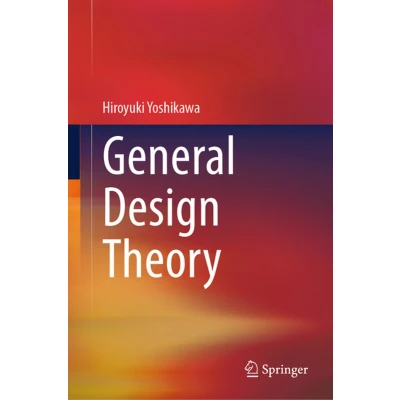
This book presents a systematic examination of the science of design, proposing a framework that places human choice and agency at the center of design activity. This book presents a systematic examination of the science of design, proposing a framework that places human choice and agency at the center of design activity. The author analyzes the cognitive processes underlying design practice and offers a structured account of how design thinking differs from, and complements, scientific analysis. The book provides a conceptual foundation relevant to researchers and practitioners engaged in complex problem solving. Core topics such as design methodology, modes of thought, and the processes of synthesis and analysis are discussed in detail. Through careful consideration of the logical structure of design, the chapters contrast design-oriented reasoning with traditional scientific approaches and outline the contours of an emerging academic field. Particular attention is given to contemporary issues, including environmental sustainability and the ethical dimensions of technology, examined from the perspective of design responsibility. Intended for scholars, engineers, and students with an interest in design theory, engineering, the humanities, and related disciplines, this book contributes to an understanding of how design processes can be analyzed and improved. It offers a measured and rigorous perspective on design thinking and its role in addressing societal and technological challenges.
 Productspecificaties
| EAN |
|
|---|---|
| Maat |
|
 Prijshistorie
 Prijzen voor het laatst bijgewerkt op:
 Gerelateerde resultaten


