

€ 187,99 Gratis verzending

Gesponsorde links
|
|
187,99 |
Naar shop
|

|
187,99 |
Naar shop
|

|
195,00 |
Naar shop
|
| VERGELIJK ALLE AANBIEDERS (3) | ||
 Beschrijving
Vergelijk aanbieders (3)
Gesponsorde links · Sommige shops betalen ons een vergoeding
€ 187,99 Gratis verzending
€ 187,99 Gratis verzending
€ 195,00 Gratis verzending
Winkels met andere maten
Beschrijving
(1)
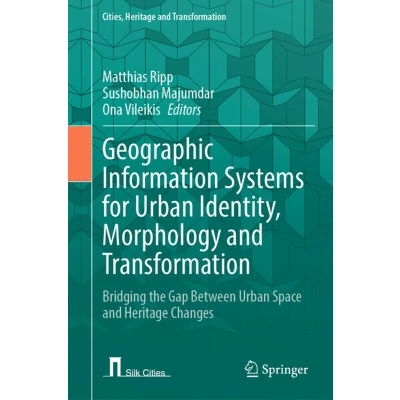
Geographic Information Systems for Urban Identity, Urban Morphology and Urban Transformation shows how GIS bridges the gap between urban development and heritage preservation, supporting informed decisions for sustainable historic city management. This book is an in-depth and insightful exploration of the pivotal role Geographic Information Systems (GIS) play in understanding heritage changes and revitalizing urban identities amidst rapid urbanization and transformation. Geographic Information Systems for Urban Identity, Urban Morphology and Urban Transformation: Bridging the Gap between Urban Space and Heritage Transformation presents a comprehensive guide to how GIS technology can bridge the gap between urban development and heritage changes by preserving the unique values of the historic cities. Through meticulous research and best practices, the authors delve into the intricate ways in which GIS tools and techniques are used to map, analyze, and visualize urban spaces, cultural heritage (tangible and intangible), and other layers of the cities such as natural resources, or infrastructure network. The book highlights how GIS empowers a wide range of stakeholders, i.e. urban planners, architects, preservationists, and policymakers, to make informed decisions that balance the need for a sustainable development with the imperative to manage change of historic cities. The chapters are enriched with detailed explorations of urban transformation projects where GIS has been instrumental in ensuring that progress does not come at the cost of heritage. From mapping historical districts and assessing the historic urban fabric and the attributes that convey the heritage values and their condition to identifying areas for adaptive reuse, readers gain a profound understanding of how GIS acts as a guiding compass in urban development that respects the past while embracing the future. The relevance of "GIS for Urban Identity" is its interdisciplinary approach that brings together insights from geography, urban planning, architecture, cultural studies, and technology. The book is not just a technical manual, but a thoughtful discourse on how GIS fosters collaboration between stakeholders with diverse interests, such as community members, heritage organizations, and city officials. By showcasing successful examples of urban identity preservation from around the world, the authors inspire readers to adopt innovative approaches in their own endeavors. Furthermore, the book engages in critical discussions about the challenges, ethical considerations, and potential limitations of using GIS in urban identity continuity. It prompts readers to reflect on the socio-cultural implications of urban transformation and how technology can serve as both a tool and a catalyst to manage change. "Geographic Information Systems for Urban Identity, Urban Morphology and Urban Transformation: Bridging the Gap between Urban Space and Heritage Transformation" is a must-read for urban planners, heritage advocates, GIS professionals, researchers, policy makers and practitioners who seek to navigate between development and heritage conservation. With its comprehensive insights, case studies, and thought-provoking analysis, this book serves as an invaluable resource for understanding how GIS technology can pave the way for sustainable, culturally enriched urban futures. This book offers an insightful exploration of how Geographic Information Systems (GIS) contribute to understanding heritage change and revitalizing urban identities amid rapid urbanization. Geographic Information Systems for Urban Identity, Urban Morphology and Urban Transformation shows how GIS bridges the gap between urban development and heritage preservation, supporting informed decisions for sustainable historic city management. Through an interdisciplinary lens combining geography, planning, architecture, and technology, it encourages collaboration among diverse stakeholders—from planners to local communities. Including global case studies, it highlights innovative practices and critically examines ethical and socio-cultural challenges of using GIS in urban transformation. This volume is an essential resource for planners, researchers, policymakers, and heritage professionals seeking tools for sustainable and culturally rooted urban futures.
 Prijshistorie
 * Prijshistorie bevat geen data van Amazon, Amazon Marketplace.
Prijzen voor het laatst bijgewerkt op:
 Gerelateerde resultaten
 Productspecificaties


