

€ 30,21 Gratis verzending

Uitgelicht
|
|
30,21 |
Naar shop
|

|
30,21 |
Naar shop
|

|
30,21 |
Naar shop
|
| VERGELIJK ALLE AANBIEDERS (3) | ||
 Beschrijving
Vergelijk aanbieders (3)
€ 30,21 Gratis verzending
€ 30,21 Gratis verzending
€ 30,21 Gratis verzending
Winkels met andere maten
Beschrijving
(1)
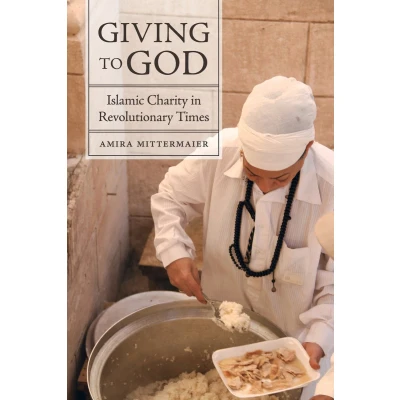
“With a light touch, Amira Mittermaier brings her astute ethnographic sensibilities to bear on pious charity, revealing the surprising, even radical, possibilities it affords. This book is a true pleasure to read and a highly original provocation to thought.”—Webb Keane, author of Ethical Life: Its Natural and Social Histories and Christian Moderns: Freedom and Fetish in the Mission Encounter “Amira Mittermaier has written a brilliant ethnography. A rich and complex account of Islamic ideas and practices of charity in Cairo during and after the 2011 uprising, Giving to God invites the reader to contemplate the different ways that people inhabit the Islamic tradition. But this book is not only a highly sophisticated description of the way people belonging to different classes live in their religious world; it is also a challenge to serious thought about the possibilities and limits of the ethics and politics of poverty in the contemporary Middle East—and beyond.”—Talal Asad, author of Secular Translations: Nation-State, Modern Self, and Calculative Reason “The revolutionary moment in Egypt seems to have redirected, as it has so much else, Amira Mittermaier’s vivid ethnographic meditations on the everyday practices, sites, and intentions of pious charity. Drawing from friendships across Cairo with ordinary/extraordinary individuals dedicated to giving to the poor, she challenges the familiar paradigms of humanitarian care, revolutionary justice, and neoliberal self-help, offering up a remarkable alternative animated by such unforgettable concepts as ‘a divine minimum wage.’”—Lila Abu-Lughod, Joseph L. Buttenwieser Professor at Columbia University and author of Veiled Sentiments Giving to God examines the everyday practices of Islamic giving in post-revolutionary Egypt. From foods prepared in Sufi soup kitchens, to meals distributed by pious volunteers in slums, to almsgiving, these acts are ultimately about giving to God by giving to the poor. Surprisingly, many who practice such giving say that they do not care about the poor, instead framing their actions within a unique non-compassionate ethics of giving. At first, this form of giving may appear deeply selfish, but further consideration reveals that it avoids many of the problems associated with the idea of “charity.” Using the Egyptian uprising in 2011 and its call for social justice as a backdrop, this beautifully crafted ethnography suggests that “giving a man a fish” might ultimately be more revolutionary than “teaching a man to fish.”
 Prijshistorie
 * Prijshistorie bevat geen data van Amazon, Amazon Marketplace.
Prijzen voor het laatst bijgewerkt op:
 Gerelateerde resultaten
 Productspecificaties


