


€ 66,05 € 56,67 Gratis verzending

Uitgelicht
|
|
66,05
56,67 |
Naar shop
|

|
58,67 |
Naar shop
|
| VERGELIJK ALLE AANBIEDERS (2) | ||
 Beschrijving
Vergelijk aanbieders (2)
€ 66,05 € 56,67 Gratis verzending
€ 58,67 Gratis verzending
Winkels met andere maten
Beschrijving
(1)
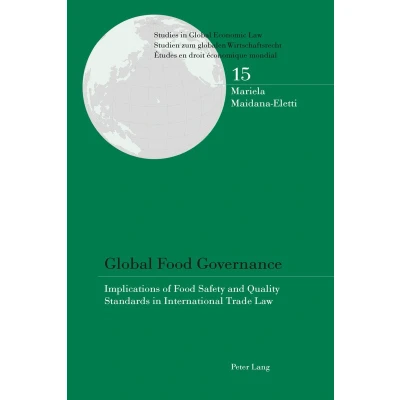
Since its creation in 1995, the World Trade Organization (WTO) has succeeded in providing a multilateral legal framework for the development of regulatory practices through its multiple agreements. This book addresses the legal aspects of the global architecture for food governance. With increasingly globalised markets, changing consumer preferences and the steady development of technologies influencing food trade flows, safety and quality concerns have triggered the development of new forms of global (food) governance. Since its creation in 1995, the World Trade Organization (WTO) has succeeded in providing a multilateral legal framework for the development of regulatory practices through its multiple agreements. Similarly, the continuing importance of regional and bilateral trade agreements, such as in the European Union and in Switzerland, has enhanced WTO’s accomplishments through a comprehensive and dynamic set of international rules and standards for trade. However, the changing trends in the production and distribution of food products have questioned the effectiveness of the regulatory status quo. This book addresses the legal aspects of the current global architecture for food governance, particularly with regard to the role of international standards. In doing so, this work attempts at mapping the implications of domestic food measures in international trade law.
 Productspecificaties
| EAN |
|
|---|---|
| Maat |
|
 Prijshistorie
Prijzen voor het laatst bijgewerkt op:
 Gerelateerde resultaten


