


€ 22,24 € 2,99 verzendkosten Totaal € 25,23

Gesponsorde links
|
|
22,24 |
Naar shop
|

|
23,53 |
Naar shop
|

|
23,53 |
Naar shop
|
| VERGELIJK ALLE AANBIEDERS (3) | ||
 Beschrijving
Vergelijk aanbieders (3)
Gesponsorde links · Sommige shops betalen ons een vergoeding
€ 22,24 € 2,99 verzendkosten Totaal € 25,23
€ 23,53 Gratis verzending
€ 23,53 Gratis verzending
Winkels met andere maten
Beschrijving
(1)
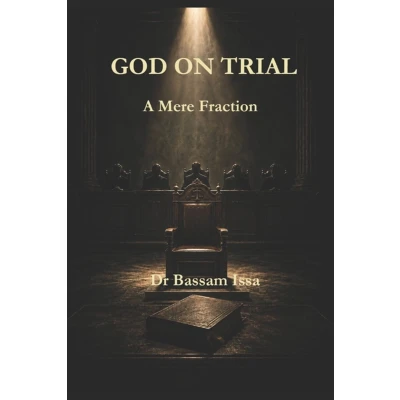
What if the most sacred claim were treated like any other extraordinary claim and asked to prove itself? God on Trial does not attempt to prove or disprove the existence of God. Its question is narrower, and perhaps more unsettling: If a book is said to contain the words of the Creator of the universe, what evidence within those words justifies that attribution? The Qur'an enters the courtroom as the principal evidence. No later commentary is permitted to repair a verse. No hadith is summoned to supply what the text itself does not say. No conclusion is granted immunity merely because it has been called sacred. Across thirteen courtroom sessions, the Prosecution, the Defense, and a panel of judges examine some of the most difficult questions raised by the text itself. Who is actually speaking in Al-Fatiha? Can divine foreknowledge coexist with genuine human freedom? How can innocent suffering be reconciled with perfect mercy and justice? Why does revelation sometimes intervene in the private life of its messenger? What does abrogation imply about a message attributed to perfect knowledge? How should passages concerning fighting, women, eternal punishment, divine oaths, and the natural world be judged when the speaker is said to be the Creator of everything they describe? And if the Qur'an repeatedly describes itself as clear and detailed, why did generations of interpretation become necessary to explain what God supposedly meant? This is not a book built on mockery, nor one that asks the reader to accept its conclusion in advance. The Defense is allowed its strongest arguments. The court repeatedly rejects shortcuts, exaggerations, and claims that the text itself cannot sustain. But one question keeps returning: Is it reasonable to believe that the Creator of the universe is the one who spoke these words? The book does not answer that question on behalf of the reader. It places the evidence on the table. Then it leaves reason in the courtroom. The manuscript explicitly frames the test in terms of language, internal consistency, justice, mercy, wisdom, and whether the words bear marks that justify attribution to the Creator. It also closes the penultimate session with the sharper formulation: what is present in these words that a human being could not have said?
 Prijshistorie
* Prijshistorie bevat geen data van Amazon, Amazon Marketplace.
Prijzen voor het laatst bijgewerkt op:
 Gerelateerde resultaten
 Productspecificaties


