


€ 88,28 Gratis verzending

Uitgelicht
|
|
88,28 |
Naar shop
|

|
127,94 |
Naar shop
|
| VERGELIJK ALLE AANBIEDERS (2) | ||
 Beschrijving
Vergelijk aanbieders (2)
€ 88,28 Gratis verzending
€ 127,94 Gratis verzending
Winkels met andere maten
Beschrijving
(2)
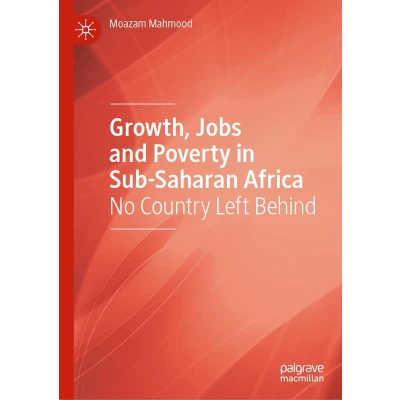
Sub-Saharan Africa (SSA) should not be defined by the structural parameters and opportunities of low-income countries, given that it also comprises a number of higher-income countries. Sub-Saharan Africa (SSA) should not be defined by the structural parameters and opportunities of low-income countries, given that it also comprises a number of higher-income countries. This book finds that SSA is tightly constrained in its growth, employment and poverty outcomes. Rather than taking this as a conceptual downside, these constraints to growth and development have to be recognised and overcome—not just by a few countries able to escape them more easily, but by all countries in SSA, such that no country is left behind. The book observes a weakness in the quantum of growth in SSA. It relates this to a growth path based more on extractives than manufactured goods. While SSA is endowed with extractives, global demand for these is very volatile. These boom-bust cycles in export demand come to affect not just the export sector in SSA as a resource curse, but also the production of output of the entire economy. The book captures this through the working out of equilibrium in four major markets: the tradeables market, the domestic goods market, the labour market, and the money market. Moazam Mahmood is Professor in Economics at the Lahore School of Economics (Pakistan) and Visiting Professor at the Capital University of Economics and Business in Beijing (China). Sub-Saharan Africa (SSA) should not be defined by the structural parameters and opportunities of low-income countries, given that it also comprises a number of higher-income countries. This book finds that SSA is tightly constrained in its growth, employment and poverty outcomes. Rather than taking this as a conceptual downside, these constraints to growth and development have to be recognised and overcome—not just by a few countries able to escape them more easily, but by all countries in SSA, such that no country is left behind. The book observes a weakness in the quantum of growth in SSA. It relates this to a growth path based more on extractives than manufactured goods. While SSA is endowed with extractives, global demand for these is very volatile. These boom-bust cycles in export demand come to affect not just the export sector in SSA as a resource curse, but also the production of output of the entire economy. The book captures this through the working out of equilibrium in four major markets: the tradeables market, the domestic goods market, the labour market, and the money market.
BolSub-Saharan Africa (SSA) should not be defined by the structural parameters and opportunities of low-income countries, given that it also comprises a number of higher-income countries. This book finds that SSA is tightly constrained in its growth, employment and poverty outcomes. Rather than taking this as a conceptual downside, these constraints to growth and development have to be recognised and overcome—not just by a few countries able to escape them more easily, but by all countries in SSA, such that no country is left behind. The book observes a weakness in the quantum of growth in SSA. It relates this to a growth path based more on extractives than manufactured goods. While SSA is endowed with extractives, global demand for these is very volatile. These boom-bust cycles in export demand come to affect not just the export sector in SSA as a resource curse, but also the production of output of the entire economy. The book captures this through the working out of equilibrium in four major markets: the tradeables market, the domestic goods market, the labour market, and the money market.
 Productspecificaties
| EAN |
|
|---|---|
| Maat |
|
 Prijshistorie
Prijzen voor het laatst bijgewerkt op:
 Gerelateerde resultaten


