


€ 20,00 € 2,99 verzendkosten Totaal € 22,99

Gesponsorde links
|
|
20,00 |
Naar shop
|

|
21,06 |
Naar shop
|

|
21,06 |
Naar shop
|
| VERGELIJK ALLE AANBIEDERS (3) | ||
 Beschrijving
Vergelijk aanbieders (3)
Gesponsorde links · Sommige shops betalen ons een vergoeding
€ 20,00 € 2,99 verzendkosten Totaal € 22,99
€ 21,06 Gratis verzending
€ 21,06 Gratis verzending
Winkels met andere maten
Beschrijving
(1)
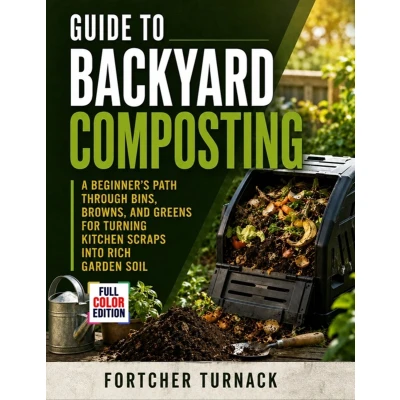
You lift the lid after a week of rain and find a damp, flattened mass that smells nothing like soil. Or the pile has sat quietly for a month, giving no sign that anything is happening. Those moments make composting feel mysterious, even though the causes are usually visible and correctable. This book turns those signals into practical decisions, so you can choose a system that fits your space and manage it without guesswork. Three Ways to Work With Decay - Choose between cold composting, hot composting, and worm composting according to your time, space, and preferred level of attention.- Balance carbon-rich and nitrogen-rich materials with a practical three-to-one volume rule instead of laboratory calculations.- Build a first cold pile in layers, keep it at wrung-out-sponge moisture, and know when turning will shorten the wait.- Run a hot pile by volume, temperature, oxygen, and moisture, with turning schedules ranging from intensive to weekly.- Set up a red-wiggler bin, prepare bedding, feed at a realistic rate, and harvest castings without losing the colony.- Match wire bins, enclosed plastic systems, tumblers, open piles, and three-bay setups to the material your household produces. > Know When the Compost Is Ready - Identify rotten-egg and ammonia odours, fruit flies, rodents, ants, excess water, dryness, and stalled heating by symptom.- Confirm maturity with visual, texture, smell, temperature, germination, and sealed-bag tests before sensitive use.- Allow the curing stage to stabilise a hot batch before it reaches seed beds, containers, or young roots.- Apply finished material as an amendment, surface mulch, lawn topdressing, potting component, or compost tea. >Particle size, pile volume, airflow, curing, and storage each receive their own practical treatment. The result is a method you can adjust when materials or weather change, rather than a recipe that works only under one set of conditions. Ten chapters move from decomposition biology and material balance to equipment, three main methods, maintenance, troubleshooting, maturity, and garden use. The science is there to support better choices, not to turn a biological process into a chemistry exam. A single bin, pile, or worm box is enough to start closing the loop between household organic material and the ground that grows your plants. This is the reference that stays beside your first pile.
 Prijshistorie
* Prijshistorie bevat geen data van Amazon, Amazon Marketplace.
Prijzen voor het laatst bijgewerkt op:
 Gerelateerde resultaten
 Productspecificaties


