


€ 295,00 Gratis verzending

Uitgelicht
|
|
295,00 |
Naar shop
|
| VERGELIJK ALLE AANBIEDERS (1) | ||
 Beschrijving
Vergelijk aanbieders (1)
€ 295,00 Gratis verzending
Winkels met andere maten
Beschrijving
(1)
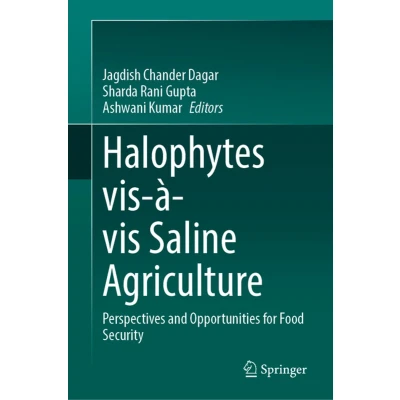
This edited book deals with the distribution, classification and diversity of halophytic ecosystems, ecology of mangroves, coastal agroforestry, adaptations and mechanisms of salt tolerance in glycophytes verses halophytes, scope of biosaline agriculture, and potential utilization of halophytes in abiotic stressed environments in arid and semiarid regions and coastal areas. In this era of global population increase and global environmental change, there is need to provide food to the ever-growing population, combating climate change and conserving biodiversity. Keeping in view the rich biodiversity of halophytes, there is wide scope in food industry, phytoremediation, as well as a source of bioactive compounds including modern drugs. The new technologies for the cultivation of halophytes help to utilize saline and arid wastelands and also waterlogged areas sustainably for humans and the livestock. This book creates interest in educationists, researchers, industrialists, investors, soil and climate change scientists, development/extension workers, environmentalists, policy/decision makers, and government and non-government organizations. Also, the book serves as reference material for undergraduate and graduate students of agriculture, ecology, soil science, and environmental sciences. National and international soil and agricultural scientists, ecologists, policy makers will also find this book immensely useful. This edited book deals with the distribution, classification and diversity of halophytic ecosystems, ecology of mangroves, coastal agroforestry, adaptations and mechanisms of salt tolerance in glycophytes verses halophytes, scope of biosaline agriculture, and potential utilization of halophytes in abiotic stressed environments in arid and semiarid regions and coastal areas. In this era of global population increase and global environmental change, there is need to provide food to the ever-growing population, combating climate change and conserving biodiversity. Keeping in view the rich biodiversity of halophytes, there is wide scope in food industry, phytoremediation, as well as a source of bioactive compounds including modern drugs. The new technologies for the cultivation of halophytes help to utilize saline and arid wastelands and also waterlogged areas sustainably for humans and the livestock. This book creates interest in educationists, researchers, industrialists, investors, soil and climate change scientists, development/extension workers, environmentalists, policy/decision makers, and government and non-government organizations. Also, the book serves as reference material for undergraduate and graduate students of agriculture, ecology, soil science, and environmental sciences. National and international soil and agricultural scientists, ecologists, policy makers will also find this book immensely useful.
 Productspecificaties
| EAN |
|
|---|---|
| Maat |
|
 Prijshistorie
Prijzen voor het laatst bijgewerkt op:
 Gerelateerde resultaten


