


€ 113,52 Gratis verzending

Uitgelicht
|
|
113,52 |
Naar shop
|

|
144,91 |
Naar shop
|
| VERGELIJK ALLE AANBIEDERS (2) | ||
 Beschrijving
Vergelijk aanbieders (2)
€ 113,52 Gratis verzending
€ 144,91 Gratis verzending
Winkels met andere maten
Beschrijving
(1)
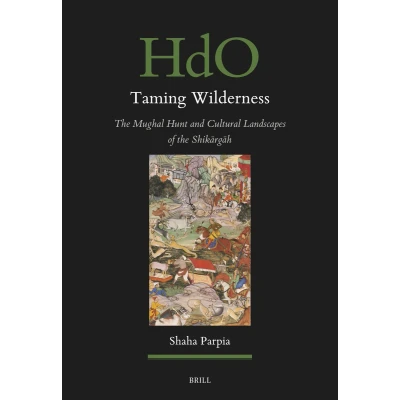
Taming Wilderness explores, through Mughal hunting practices, the creation of the shikārgāh, an ecologically modified hunting landscape which functioned as an intermediate space between forests and cultivated lands, with political and cultural dimensions and a close relationship to garden and agrarian domains. The Mughal hunt may be understood as an interaction with the wilderness and conservation that comprehends empire building, the promotion of welfare and agricultural causes, scientific pursuits and engendering spiritual connections with nature. Countering traditional definitions of a hunting ground as an untamed, amorphous space, this book delves into the details of the Mughal shikārgāh conceived as an ecologically modified landscape with spatial and cultural relationships to gardens, agrarian lands and irrigation projects, and as an intermediate space that existed between cultivated lands and forests. Replete with colourful hunting anecdotes and richly illustrated, Taming Wilderness is an insightful study of this fascinating subject.
 Prijshistorie
* Prijshistorie bevat geen data van Amazon.
Prijzen voor het laatst bijgewerkt op:
 Gerelateerde resultaten
 Productspecificaties


