

€ 11,76 Gratis verzending

Uitgelicht
|
|
11,76 |
Naar shop
|

|
12,50 |
Naar shop
|
| VERGELIJK ALLE AANBIEDERS (2) | ||
 Beschrijving
Vergelijk aanbieders (2)
€ 11,76 Gratis verzending
€ 12,50 € 2,99 verzendkosten Totaal € 15,49
Winkels met andere maten
Beschrijving
(1)
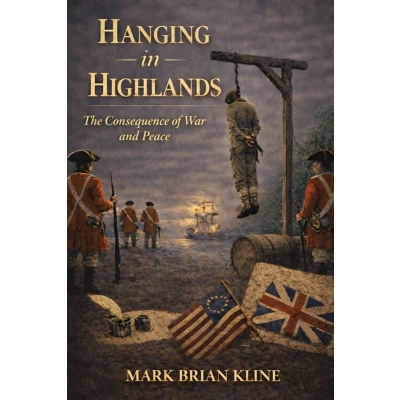
In April 1782, months after the great armies of the American Revolution had fallen silent, Captain Joshua Huddy was taken from British custody and hanged without trial on the New Jersey shore. What followed was not closure, but consequence.Hanging in Highlands recounts the events surrounding Huddy's execution and the international crisis that grew from it, an episode remembered as the Asgill Affair, yet rooted in a single unlawful death. Drawing on contemporary records, correspondence, and historical accounts, the book traces how a local act of reprisal forced the war to explain itself at the highest levels of command and diplomacy.From the blockhouse at Toms River to the gallows at Gravelly Point, from the drawing of lots in New Jersey taverns to the courts of Europe, this narrative follows the chain of decisions that placed restraint against vengeance, law against retaliation, and peace against unfinished war. Figures such as George Washington, William Franklin, Richard Lippincott, Charles Asgill, and Teresa Asgill emerge not as abstractions, but as actors caught between authority and consequence.More than a retelling of a forgotten execution, Hanging in Highlands examines how wars end, not with victory alone, but with accounting. It is a study of justice delayed, mercy debated, and the human cost of deciding when violence must stop.
 Prijshistorie
 * Prijshistorie bevat geen data van Amazon.
Prijzen voor het laatst bijgewerkt op:
 Gerelateerde resultaten
 Productspecificaties


