
Hawai‘i Studies on Korea Moral Authoritarianism
Uitgelicht

|
26,50 |
Naar shop
|

|
26,50 |
Naar shop
|

|
29,42 |
Naar shop
|
| VERGELIJK ALLE AANBIEDERS (3) | ||
 Beschrijving
Bol Partner
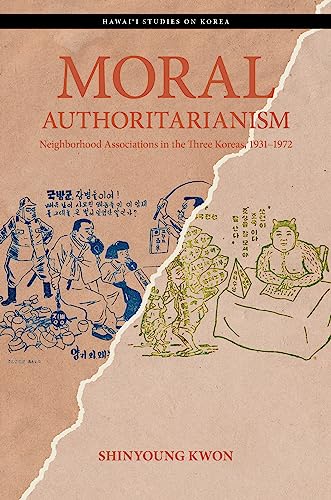
Offers a new perspective on the three modern Korean states - the Japanese colonial state, South Korea, and North Korea - by studying neighbourhood associations during the four war decades (1930s-1960s). By shifting the focus from national policy to local society, this book reveals their deep similarities. Moral Authoritarianism offers a new perspective on the three modern Korean states-the Japanese colonial state, South Korea, and North Korea-by studying neighborhood associations during the four war decades (1930s–1960s). The existing historiography perceives the three states in relation to imperialism and to the Cold War, thus emphasizing their differences by political changes. By shifting the focus from national policy to local society, this book instead reveals their deep similarities. Neighborhood associations dated back to the premodern Chosŏn period (1392–1910), where they had been used to assist local governance. They faded in significance until the colonial government established “patriotic neighborhood associations” in 1938 for its war against China. Through analysis of government documents from the three Koreas and additional sources including diaries, leaflets, newspapers, and even fiction, Moral Authoritarianism explores neighborhood associations as a site of negotiation between families, local society, and the central government, exposing the moral authoritarian structure present in all three Koreas. Colonial neighborhood associations, tasked with the national mobilization of local Koreans, advanced programs of mass enlightenment that privileged state interests over individual rights, in the process blurring the line between morality and state authority and superimposing patriarchal familial dynamics on societal relations. Despite their different ideological orientations, the neighborhood associations of two postliberation Koreas shared the same enlightenment mission with their earlier forms, and this commonality is critical to understanding the authoritarian direction taken by South and North Korea. The neighborhood association entrusted each state with promoting community-based morality and spirit of voluntarism as an alternative to amoral laissez-faire capitalism and the individual right-based West. Consequently, the state retained its supremacy over the populace at the most basic level of community organization, and Koreans were encouraged to be voluntary active to state calls, culminating into two authoritarianisms of the 1970s-Korean style democracy and “our own style” socialism.


 Beschrijving
(1)
Beschrijving
(1)
Offers a new perspective on the three modern Korean states - the Japanese colonial state, South Korea, and North Korea - by studying neighbourhood associations during the four war decades (1930s-1960s). By shifting the focus from national policy to local society, this book reveals their deep similarities. Moral Authoritarianism offers a new perspective on the three modern Korean states-the Japanese colonial state, South Korea, and North Korea-by studying neighborhood associations during the four war decades (1930s–1960s). The existing historiography perceives the three states in relation to imperialism and to the Cold War, thus emphasizing their differences by political changes. By shifting the focus from national policy to local society, this book instead reveals their deep similarities. Neighborhood associations dated back to the premodern Chosŏn period (1392–1910), where they had been used to assist local governance. They faded in significance until the colonial government established “patriotic neighborhood associations” in 1938 for its war against China. Through analysis of government documents from the three Koreas and additional sources including diaries, leaflets, newspapers, and even fiction, Moral Authoritarianism explores neighborhood associations as a site of negotiation between families, local society, and the central government, exposing the moral authoritarian structure present in all three Koreas. Colonial neighborhood associations, tasked with the national mobilization of local Koreans, advanced programs of mass enlightenment that privileged state interests over individual rights, in the process blurring the line between morality and state authority and superimposing patriarchal familial dynamics on societal relations. Despite their different ideological orientations, the neighborhood associations of two postliberation Koreas shared the same enlightenment mission with their earlier forms, and this commonality is critical to understanding the authoritarian direction taken by South and North Korea. The neighborhood association entrusted each state with promoting community-based morality and spirit of voluntarism as an alternative to amoral laissez-faire capitalism and the individual right-based West. Consequently, the state retained its supremacy over the populace at the most basic level of community organization, and Koreans were encouraged to be voluntary active to state calls, culminating into two authoritarianisms of the 1970s-Korean style democracy and “our own style” socialism.
 Productspecificaties
 Prijshistorie
* Prijshistorie bevat geen data van Amazon, Amazon Marketplace.
Prijzen voor het laatst bijgewerkt op:
 Gerelateerde resultaten


