


€ 18,00 € 2,99 verzendkosten Totaal € 20,99

Gesponsorde links
|
|
18,00 |
Naar shop
|

|
18,36 |
Naar shop
|

|
18,36 |
Naar shop
|
| VERGELIJK ALLE AANBIEDERS (3) | ||
 Beschrijving
Vergelijk aanbieders (3)
Gesponsorde links · Sommige shops betalen ons een vergoeding
€ 18,00 € 2,99 verzendkosten Totaal € 20,99
€ 18,36 Gratis verzending
€ 18,36 Gratis verzending
Winkels met andere maten
Beschrijving
(1)
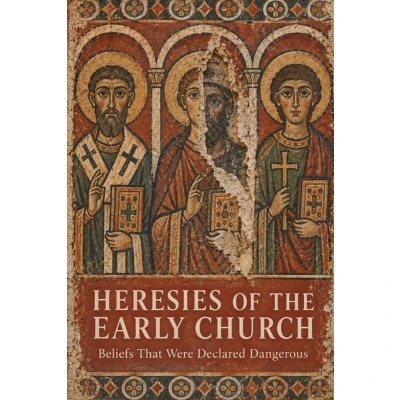
The early Christian Church was far from a world of complete theological agreement. As Christianity spread across the Roman Empire and beyond, believers debated fundamental questions about Jesus Christ, salvation, Scripture, God, creation, and the nature of the Church. Some interpretations eventually became accepted as orthodox, while others were condemned as heretical.Heresies of the Early Church: Beliefs That Were Declared Dangerous explores the major theological movements and controversies that shaped Christianity during its formative centuries.From Gnosticism and Marcionism to Arianism, Docetism, Montanism, Donatism, and other disputed teachings, this book examines what these groups believed, why their ideas attracted followers, and how Church leaders responded to them.Readers will discover the historical circumstances behind major controversies, the writings of influential theologians, the role of councils and bishops, and the political and cultural forces that influenced the development of Christian doctrine.The book also considers an important historical question: what exactly made a belief "heretical" in the early Christian world? Rather than portraying these movements simply as villains or secret alternatives to Christianity, it examines them within their original historical contexts and explains why their ideas mattered.From debates about the nature of Christ and the Trinity to conflicts over authority, worship, and Christian identity, these controversies helped define the theological boundaries of Christianity.For readers interested in Church history, early Christianity, Christian theology, and the origins of Christian doctrine, Heresies of the Early Church offers an accessible journey into the disagreements that helped shape the faith.
 Prijshistorie
* Prijshistorie bevat geen data van Amazon, Amazon Marketplace.
Prijzen voor het laatst bijgewerkt op:
 Gerelateerde resultaten
 Productspecificaties


