


€ 57,99 Gratis verzending

Uitgelicht
|
|
57,99 |
Naar shop
|
| VERGELIJK ALLE AANBIEDERS (1) | ||
 Beschrijving
Vergelijk aanbieders (1)
€ 57,99 Gratis verzending
Winkels met andere maten
Beschrijving
(1)
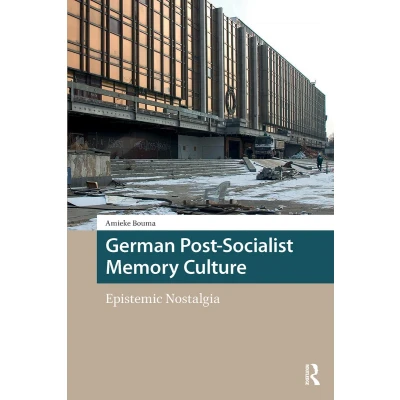
Breaking new ground in the study of post-socialist memory culture, this book explains why former GDR cadres replicate GDR memory culture against their stigmatized status in unified Germany. After German unification, former officers of the GDR state security service united with GDR professors and cultural managers to establish the East German Committee of Associations (OKV). On the basis of encompassing oral history into this complex web of interest organizations and memory clubs, Bouma argues that these activists are driven by an epistemic nostalgia: a longing for the time when their political understanding of the world was seemingly unchallenged. Far from constituting a ‘second life of the Stasi’, the main goal of OKV associations has been to validate the personal biographies of their activists, against the now prevalent view that the GDR was a ‘state of injustice’. While the OKV quickly adapted to the new legal procedures in post-socialist Germany, their staunch defence of the GDR heritage complicates their relation to SED successor party Die Linke and other radical left parties and associations, even when they share practical goals. Breaking new ground in the study of post-socialist memory culture, this book explains why former GDR cadres replicate GDR memory culture against their stigmatized status in unified Germany.
 Productspecificaties
| EAN |
|
|---|---|
| Maat |
|
 Prijshistorie
 Prijzen voor het laatst bijgewerkt op:
 Gerelateerde resultaten


