


€ 195,00 Gratis verzending

Uitgelicht
|
|
195,00 |
Naar shop
|
| VERGELIJK ALLE AANBIEDERS (1) | ||
 Beschrijving
Vergelijk aanbieders (1)
€ 195,00 Gratis verzending
Winkels met andere maten
Beschrijving
(1)
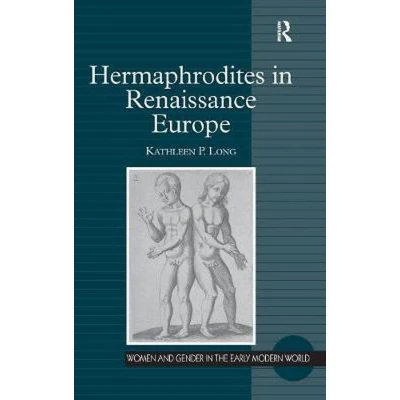
Kathleen Long analyzes works from a range of disciplines and domains, medical, alchemical, philosophical, poetic, and political, to explore the reasons for the centrality of the hermaphrodite in early modern European thought. She explores the significance of this figure for the elaboration of notions of gender, national, racial, and religious identity. Kathleen Long explores the use of the hermaphrodite in early modern culture wars, both to question traditional theorizations of gender roles and to reaffirm those views. These cultural conflicts were fueled by the discovery of a new world, by the Reformation and the backlash against it, by nascent republicanism directed against dissolute kings, and by the rise of empirical science and its subsequent confrontation with the traditional university system. For the Renaissance imagination, the hermaphrodite came to symbolize these profound and intense changes that swept across Europe, literally embodying these conflicts. Focusing on early modern France, with references to Switzerland and Germany, this work traces the symbolic use of the hermaphrodite across a range of disciplines and domains - medical, alchemical, philosophical, poetic, fictional, and political - and demonstrates how these seemingly disparate realms interacted extensively with each other in this period, also across national boundaries. This widespread use and representation of the hermaphrodite established a ground on which new ideas concerning sex and gender could be elaborated by subsequent generations, and on which a wide range of thought concerning identity, racial, religious, and national as well as gender, could be deployed.
 Productspecificaties
| EAN |
|
|---|---|
| Maat |
|
 Prijshistorie
 Prijzen voor het laatst bijgewerkt op:
 Gerelateerde resultaten


