


€ 38,99 Gratis verzending

Uitgelicht
|
|
38,99 |
Naar shop
|

|
42,79 |
Naar shop
|

|
42,79 |
Naar shop
|
| VERGELIJK ALLE AANBIEDERS (3) | ||
 Beschrijving
Vergelijk aanbieders (3)
€ 38,99 Gratis verzending
€ 42,79 Gratis verzending
€ 42,79 Gratis verzending
Winkels met andere maten
Beschrijving
(1)
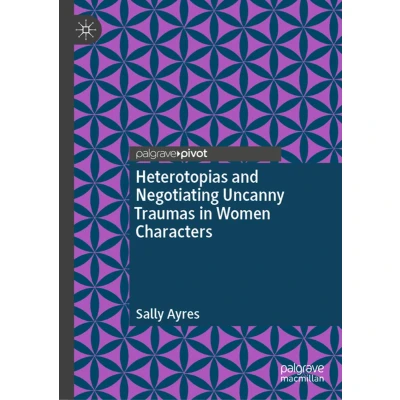
This investigation focuses on how Vidler’s uncanny spaces can be identified as reflective of the traumatic state of women, and how, conversely, experiencing Foucault’s heterotopic space permits women trauma sufferers to receive some amelioration of their traumatic suffering. This book analyzes how an inter-relationship is construed and applies spatial theory to interrogate the impact of spaces on female characters in trauma narratives. This investigation focuses on how Vidler’s uncanny spaces can be identified as reflective of the traumatic state of women, and how, conversely, experiencing Foucault’s heterotopic space permits women trauma sufferers to receive some amelioration of their traumatic suffering. Sites which are characterized by fear, terror, violence or dread are considered to be uncanny and reflective of the enacted trauma of women characters. Subsequently, heterotopias (publicly accessible sites) offer relief from the uncanny and some working through of trauma. Ayres argues that the opposing spatial sites of domestic homes or homelands and public sites can be considered to be inter-related.
 Prijshistorie
 * Prijshistorie bevat geen data van Amazon, Amazon Marketplace.
Prijzen voor het laatst bijgewerkt op:
 Gerelateerde resultaten
 Productspecificaties


