


€ 61,37 Gratis verzending

Gesponsorde links
|
|
61,37 |
Naar shop
|

|
151,99 |
Naar shop
|
| VERGELIJK ALLE AANBIEDERS (2) | ||
 Beschrijving
Vergelijk aanbieders (2)
Gesponsorde links · Sommige shops betalen ons een vergoeding
€ 61,37 Gratis verzending
€ 151,99 Gratis verzending
Winkels met andere maten
Beschrijving
(1)
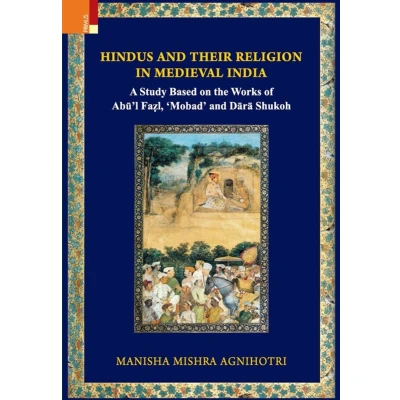
Hindus and their Religion in Medieval India examines Others' perceptions of Hindu religious practices and systems in the sixteenth and seventeenth centuries. This book draws mainly on four Persian texts of the period: Āīn-i-Akbarī by Abū'l Faẓl, Dabistān-i Maẕāhib by Zūlfiqār 'Mobad', Majma'-ul Baḥrain and Sirr-i Akbar by Dārā Shukoh. In order to have a broader and more nuanced perspective of the Others' perceptions of Hindus, and to form a judicious estimate and understand the ramifications of these perceptions in the sixteenth and seventeenth centuries, the book begins with an overview of pre-sixteenth-century views of Hindu religious practices and systems, covering the period from sixth to the fifteenth century. Is it perceived as a unified or monolithic religion? The book examines the trajectories of change and development through which the Hindu religions and philosophical systems evolved during these centuries, along with the transformations within the caste system. The value of the book lies in unravelling the gradual and dynamic environs of the sixteenth- and seventeenth-century India, characterized by eclecticism, liberalism, accommodation, and assimilation. The author argues that simultaneously, the period witnessed keen competition and rivalry among various religious groups, rapid changes within the caste system, the formation of new social categories within each varṇa, and instances of upward mobility among the lower classes. These multifarious developments led to the perceptions about the Hindus and their religious beliefs and practices.
 Prijshistorie
* Prijshistorie bevat geen data van Amazon.
Prijzen voor het laatst bijgewerkt op:
 Gerelateerde resultaten
 Productspecificaties


