


€ 28,99 Gratis verzending

Uitgelicht
|
|
28,99 |
Naar shop
|
| VERGELIJK ALLE AANBIEDERS (1) | ||
 Beschrijving
Vergelijk aanbieders (1)
€ 28,99 Gratis verzending
Winkels met andere maten
Beschrijving
(1)
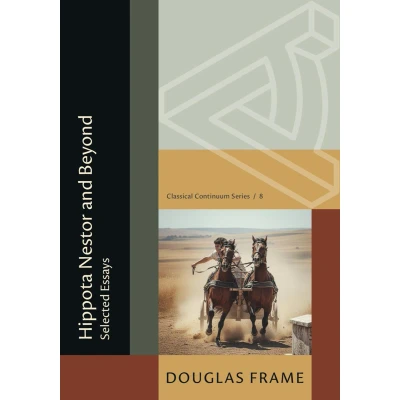
Hippota Nestor and Beyond: Selected Essays explores the Homeric figure Nestor’s literary function and the etymology of his name, “the horseman Nestor,” in light of new historical research, leading to the Indo-European origins of not only the character, but the Iliad and Odyssey as well. In Hippota Nestor and Beyond: Selected Essays, Douglas Frame revisits the Homeric figure of Nestor, who he argues derives from twin figures in Indo-European myth, and dates the composition and performance of the Iliad and Odyssey to the late eighth or early seventh century BCE at a festival of twelve Ionian cities in Asia Minor. Frame takes up subjects such as the evidence for Nestor’s Indo-European origins; the related origins of the Greek word noos, “mind”; the Phaeacians in the Odyssey as the key to the circumstances in which the Homeric poems were created; Nestor’s role connecting the two poems into a one whole. Other essays in the collect break new ground with respect to the circumstances of the poems’ performance; the purpose of the poems in their historical setting; the relation of the poems to other poetic monuments of the time; the reception of the poems in the Greek mainland after their origin in Ionia; and a closer tracking of the Indo-European origins of the figure hippota Nestor, “the horseman Nestor,” in light of the invention of the chariot in the Russian steppes c. 2000 BCE.
 Productspecificaties
| EAN |
|
|---|---|
| Maat |
|
 Prijshistorie
 Prijzen voor het laatst bijgewerkt op:
 Gerelateerde resultaten


