


€ 30,99 Gratis verzending

Uitgelicht
|
|
30,99 |
Naar shop
|
| VERGELIJK ALLE AANBIEDERS (1) | ||
 Beschrijving
Vergelijk aanbieders (1)
€ 30,99 Gratis verzending
Winkels met andere maten
Beschrijving
(1)
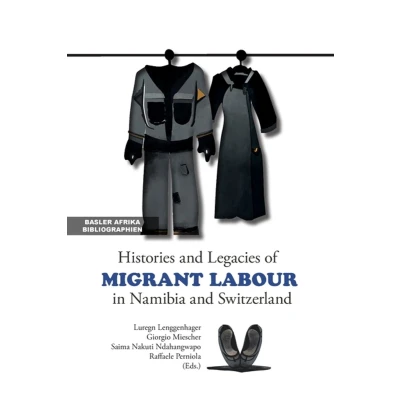
This edited volume shows surprising similarities in labour history and its legacy in two different contexts: South African occupied Namibia and Switzerland in the second half of the 20th century. Both the apartheid state and post-war Switzerland established an exploitative migrant labour system. In the Swiss case, migrant labourers came on seasonal contracts from poorer southern-European countries such as Italy and Spain and later Turkey or the Balkan states. In the Namibian case the sending areas of the migrant labour were defined as African reserves and later 'independent' homelands, allowing the workers to be treated as foreigners by the state. The systems aimed at fast-tracking economic growth and safeguarding the nations from crises by setting quotas of 'imported' cheap labour to be lowered or increased according to the needs of the economy. In both cases migrant labourers had only very limited rights and they were marginalised or outright excluded from participation in public life and society in their places of work.
 Productspecificaties
| EAN |
|
|---|---|
| Maat |
|
 Prijshistorie
 Prijzen voor het laatst bijgewerkt op:
 Gerelateerde resultaten


