


€ 112,50 Gratis verzending

Uitgelicht
|
|
112,50 |
Naar shop
|
| VERGELIJK ALLE AANBIEDERS (1) | ||
 Beschrijving
Vergelijk aanbieders (1)
€ 112,50 Gratis verzending
Winkels met andere maten
Beschrijving
(1)
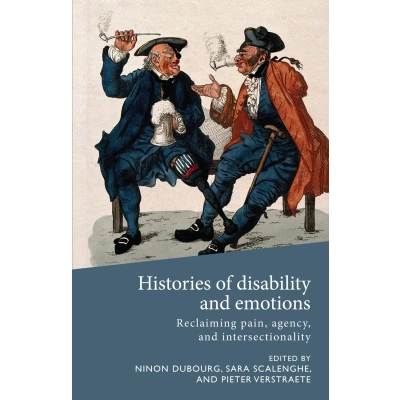
This global volume shows how emotions—from pain to pride—have shaped disability and been skilfully used by disabled people across history. Spanning eras from the early modern period to today, it reveals emotion as both a force that defines disability and a tool for resistance and change. This book powerfully demonstrates that emotions are not just reflections of disability, but active forces that have shaped its history. From early modern miracle collections to twentieth-century activist movements, Histories of disability and emotions reveals how feelings like pain, joy, fear, and indignation defined the lived realities of disabled people and informed the narratives others constructed around them. Its chapters reclaim emotional expressions of suffering and resilience from medical, religious, and institutional archives; uncover how disability intersects with race, gender, caste, and labour to produce unique emotional landscapes; and trace how disabled activists and communities have mobilised anger, pride, and solidarity in the struggle against exclusion and pity. Bringing together rich case studies across continents and centuries, Histories of disability and emotions offers original insights into the emotional labour of claiming identity, contesting stigma, and forging social change. More than a study of the past, the book invites readers to rethink disability through the vital, often overlooked lens of emotion – revealing how deeply our feelings matter in the stories we tell about bodies, power, and belonging. This volume shows how emotions have not merely accompanied disability but fundamentally shaped its history. From early modern pain narratives to twentieth-century activism, its chapters reveal how feelings like joy, fear, anger and pride have defined the lived experience of disability and influenced how others have represented it. Exploring intersections with race, gender, caste, and labour, the book emotional worlds, ranging from enslaved men in the nineteenth-century United States to schoolchildren in colonial India. It shows how disabled people have reclaimed emotional expression as a source of agency and resistance, transforming pity into protest and isolation into solidarity. Drawing on rich case studies across continents and centuries, the volume reframes disability as an affective experience deeply embedded in social power, cultural meaning, and historical change. It urges us to rethink the stories we tell about bodies, emotions and belonging.
 Productspecificaties
| EAN |
|
|---|---|
| Maat |
|
 Prijshistorie
 Prijzen voor het laatst bijgewerkt op:
 Gerelateerde resultaten


