


€ 42,99 Gratis verzending

Uitgelicht
|
|
42,99 |
Naar shop
|

|
75,98 |
Naar shop
|
| VERGELIJK ALLE AANBIEDERS (2) | ||
 Beschrijving
Vergelijk aanbieders (2)
€ 42,99 Gratis verzending
€ 75,98 € 9,99 verzendkosten Totaal € 85,97
Winkels met andere maten
Beschrijving
(1)
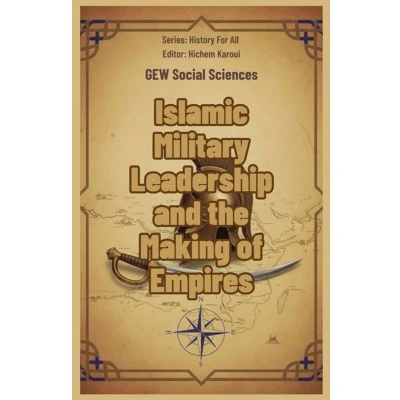
Islamic Military Leadership and the Making of Empires maps thirteen centuries of strategy, statecraft, and society-from the first expansions to the Ottoman high tide. Edited by Hichem Karoui, the volume moves past hero¿worship to ask a harder question: which leaders built orders that lasted-and why?Each part pairs vivid narrative with analytical takeaways. You'll follow Kh¿lid ibn al¿Wal¿d's tempo and deception; Säd ibn Ab¿ Waqq¿¿'s innovations on the Iraq-Iran frontier; ¿Amr ibn al¿¿¿¿'s administrative design in Egypt; Umayyad coalition warfare from North Africa to Iberia; Qutaybah ibn Muslim's logistics and diplomacy in Transoxiana; the Seljuk steppe¿to¿state model; Almoravid/Almohad reform across the western Mediterranean; Ghaznavid and Ghurid thrusts into the Indo¿Iranian corridor; Zangid unification; ¿al¿¿ al¿D¿n's coalition¿building and decisive campaigning; Baybars' fortress system, raids, and reconnaissance; and the Ottoman war¿state-Janissaries, supply depots, siegecraft-culminating in Mehmed II and Suleiman.Readers will find:A portable framework-victory, consolidation, institutions, legitimacy, adaptability-to evaluate commanders across eras.Frontier systems explained (garrisons, alliances, buffer zones) alongside the "soft" power of law, language, and ritual.A concluding synthesis that separates myth from memory and weighs the human, cultural, and economic costs of empire.Balanced, tightly written, and rich with primary¿source perspectives and modern historiography, this is an essential companion for students, general readers, and anyone curious about how leadership choices echo far beyond the battlefield.
 Prijshistorie
 * Prijshistorie bevat geen data van Amazon.
Prijzen voor het laatst bijgewerkt op:
 Gerelateerde resultaten
 Productspecificaties


