


€ 16,00 € 2,99 verzendkosten Totaal € 18,99

Uitgelicht
|
|
16,00 |
Naar shop
|

|
16,63 |
Naar shop
|

|
16,63 |
Naar shop
|
| VERGELIJK ALLE AANBIEDERS (3) | ||
 Beschrijving
Vergelijk aanbieders (3)
€ 16,00 € 2,99 verzendkosten Totaal € 18,99
€ 16,63 Gratis verzending
€ 16,63 Gratis verzending
Winkels met andere maten
Beschrijving
(1)
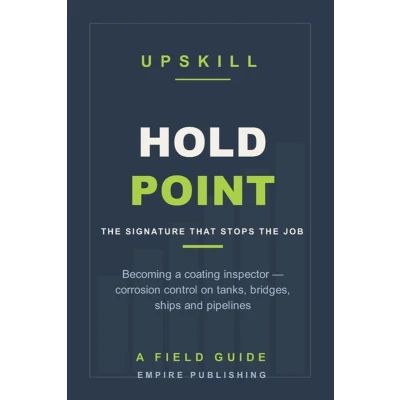
Everything steel is rusting. Somebody has to sign that it was stopped properly.Protective coatings fail for boring reasons: the steel was blasted to the wrong profile, the dew point was wrong when the first coat went on, the film was too thin. A coating inspector is the person standing there at each of those hold points with a gauge, signing that the specification was met. You cannot do it from a laptop and you cannot send it offshore.The technical ground under this job is decades old - surface-preparation standards, film-thickness and adhesion test methods - and it changes by revision rather than rewrite. There is no vendor to be locked into, no named tool to be obsoleted, and no compliance date to move.It is written for a blaster or industrial painter, a shipyard or bridge-crew hand, or a young QA assistant in oil and gas. The entry certificate has no experience prerequisite - but it is a learner's permit, not a job offer. The market's real gate is the level above it, and that one wants two years of logged inspection work you have to get somewhere else first. Untangling that circularity is the whole point of this book.The book is careful where the evidence is thin. Pay data for this speciality is patchier than the training brochures suggest, and it is presented as what it is. All of the certification specifics - level names, course lengths, formats and fees - are quarantined into a single dated appendix and marked for you to verify before booking, because the scheme was recently renamed and its structure is still settling.The honest risk here is not decline, it is the cycle: much of this work follows oil, gas and pipeline capital spending, which booms and busts. That gets its own chapter rather than a footnote, along with how inspectors ride it. An Australian appendix is built from scratch around local standards and practice.The paint is the cheapest part. Getting it right is the whole job.
 Prijshistorie
 * Prijshistorie bevat geen data van Amazon, Amazon Marketplace.
Prijzen voor het laatst bijgewerkt op:
 Gerelateerde resultaten
 Productspecificaties


