


€ 119,00 Gratis verzending

Uitgelicht
|
|
119,00 |
Naar shop
|
| VERGELIJK ALLE AANBIEDERS (1) | ||
 Beschrijving
Vergelijk aanbieders (1)
€ 119,00 Gratis verzending
Winkels met andere maten
Beschrijving
(1)
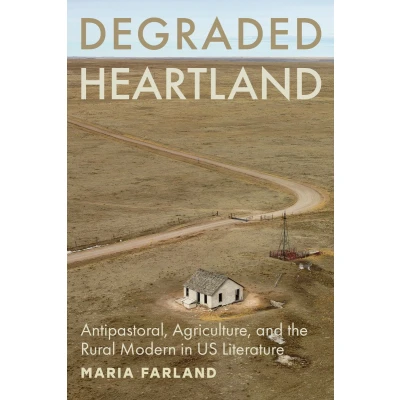
How did rural America come to be viewed as backward and inferior, and how did literary modernism respond to and critique this perception? What happens when rural America—long romanticized in pastoral literature—becomes associated with deficiency, degradation, and decline? Maria Farland's Degraded Heartland is the first critical study of US literary antipastoral, a mode that exposes the stark realities of rural poverty and ecological devastation while highlighting the jagged process of modernization in the countryside. It provides a historical account of how ideas of rural backwardness developed in US literary culture. Positioned against idealized visions of rural life, the antipastoral interrogates ideas of rural backwardness and deficiency, emphasizing the perceived need for reform through capital investment, mechanization, and education. Antipastoral literature reflects the modernizing impulse—embodied in machinery, scientific agriculture, and incipient agribusiness—while exposing the disruptions these changes provoked. It responds to the nineteenth-century panic around "wastelands" and disturbing episodes like the Eugenics Survey of Vermont and its fascination with rural "degeneracy." Degraded Heartland reveals how writers like Emily Dickinson, Walt Whitman, Robert Frost, and W. E. B. Du Bois grappled with the uneven transformation of the American countryside. In dialogue with agricultural and rural reform discourse, their works underscore the tension between persistent stereotypes of rural stagnation and the realities of a rapidly evolving heartland. This book challenges the dominance of metropolitan modernism and enriches our understanding of the rural modern as a vital and contested space in American culture.
 Productspecificaties
| EAN |
|
|---|---|
| Maat |
|
 Prijshistorie
 Prijzen voor het laatst bijgewerkt op:
 Gerelateerde resultaten


