

€ 12,89 Gratis verzending

Gesponsorde links
|
|
12,89 |
Naar shop
|

|
12,89 |
Naar shop
|

|
13,00 |
Naar shop
|
| VERGELIJK ALLE AANBIEDERS (3) | ||
 Beschrijving
Vergelijk aanbieders (3)
Gesponsorde links · Sommige shops betalen ons een vergoeding
€ 12,89 Gratis verzending
€ 12,89 Gratis verzending
€ 13,00 € 2,99 verzendkosten Totaal € 15,99
Winkels met andere maten
Beschrijving
(1)
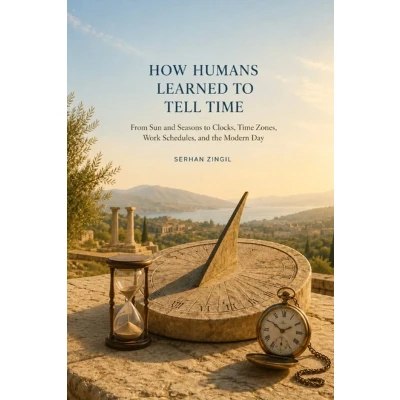
How did humans go from watching the Sun and seasons to living by clocks accurate to fractions of a second? HOW HUMANS LEARNED TO TELL TIME explores the long history of how people learned to measure, organize, and standardize time. From ancient sundials, water clocks, calendars, and religious schedules to mechanical clocks, pocket watches, factory hours, railway time, time zones, quartz watches, atomic clocks, and digital devices, this book follows the inventions and social changes that gradually transformed everyday life. Along the way, it looks beyond famous inventors to the ordinary people, workers, travelers, sailors, scientists, families, and communities who had to adapt as time became increasingly precise. Rather than treating timekeeping as a simple story of better clocks, the book shows how measurement changed work, travel, communication, schedules, punctuality, and the way people experience the day itself. It is the story of how time moved from the sky into machines, onto our wrists, and eventually into the invisible systems that now organize modern life.
 Prijshistorie
* Prijshistorie bevat geen data van Amazon, Amazon Marketplace.
Prijzen voor het laatst bijgewerkt op:
 Gerelateerde resultaten
 Productspecificaties


