
How the English Reformation was Named
Uitgelicht

|
92,99 |
Naar shop
|
| VERGELIJK ALLE AANBIEDERS (1) | ||
 Beschrijving
Bol
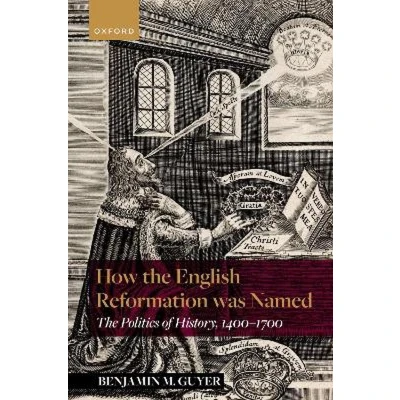
How the English Reformation was Named analyses the shifting semantics of 'reformation' in England between the fifteenth and seventeenth centuries. Originally denoting the intended aim of church councils, 'reformation' was subsequently redefined to denote violent revolt, and ultimately a series of past episodes in religious history. How the English Reformation was Named analyses the shifting semantics of 'reformation' in England between the fifteenth and seventeenth centuries. Originally denoting the intended aim of church councils, 'reformation' was subsequently redefined to denote violent revolt, and ultimately a series of past episodes in religious history. But despite referring to sixteenth-century religious change, the proper noun 'English Reformation' entered the historical lexicon only during the British civil wars of the 1640s. Anglican apologists coined this term to defend the Church of England against proponents of the Scottish Reformation, an event that contemporaries singled out for its violence and illegality. Using their neologism to denote select events from the mid-Tudor era, Anglicans crafted a historical narrative that enabled them to present a pristine vision of the English past, one that endeavoured to preserve amidst civil war, regicide, and political oppression. With the restoration of the monarchy and the Church of England in 1660, apologetic narrative became historiographical habit and, eventually, historical certainty.


Vergelijk aanbieders (1)

 Beschrijving
(1)
Beschrijving
(1)
How the English Reformation was Named analyses the shifting semantics of 'reformation' in England between the fifteenth and seventeenth centuries. Originally denoting the intended aim of church councils, 'reformation' was subsequently redefined to denote violent revolt, and ultimately a series of past episodes in religious history. How the English Reformation was Named analyses the shifting semantics of 'reformation' in England between the fifteenth and seventeenth centuries. Originally denoting the intended aim of church councils, 'reformation' was subsequently redefined to denote violent revolt, and ultimately a series of past episodes in religious history. But despite referring to sixteenth-century religious change, the proper noun 'English Reformation' entered the historical lexicon only during the British civil wars of the 1640s. Anglican apologists coined this term to defend the Church of England against proponents of the Scottish Reformation, an event that contemporaries singled out for its violence and illegality. Using their neologism to denote select events from the mid-Tudor era, Anglicans crafted a historical narrative that enabled them to present a pristine vision of the English past, one that endeavoured to preserve amidst civil war, regicide, and political oppression. With the restoration of the monarchy and the Church of England in 1660, apologetic narrative became historiographical habit and, eventually, historical certainty.
 Productspecificaties
| EAN |
|
|---|---|
| Maat |
|
 Prijshistorie
Prijzen voor het laatst bijgewerkt op:
 Gerelateerde resultaten


