


€ 10,50 € 2,99 verzendkosten Totaal € 13,49

Uitgelicht
|
|
10,50 |
Naar shop
|

|
11,28 |
Naar shop
|

|
11,28 |
Naar shop
|
| VERGELIJK ALLE AANBIEDERS (3) | ||
 Beschrijving
Vergelijk aanbieders (3)
€ 10,50 € 2,99 verzendkosten Totaal € 13,49
€ 11,28 Gratis verzending
€ 11,28 Gratis verzending
Winkels met andere maten
Beschrijving
(1)
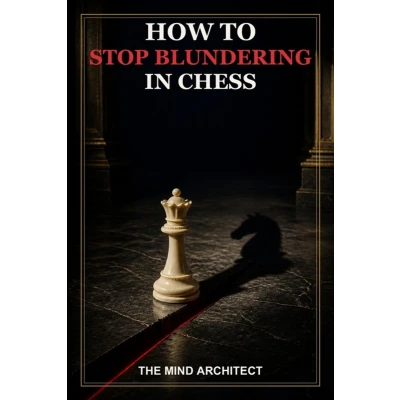
One careless move can erase twenty good ones. A better thinking process can stop many of those mistakes before they reach the board.How to Stop Blundering in Chess presents a practical system for seeing what changed, spotting immediate threats, protecting loose pieces, and testing a candidate move against the opponent's strongest reply. The aim is not timid chess or a promise of perfect play. It is a repeatable method for reducing the preventable errors that cost real games.Inside you will learn how to: - read the opponent's last move as a change in lines, duties, and tactical permissions- detect hanging pieces, overloaded defenders, unsafe recaptures, and hidden forcing moves- test the destination square before committing to an attractive move- calculate one honest reply instead of assuming the opponent will cooperate- avoid automatic moves, truncated calculation, and tunnel vision- make safer decisions when winning, tired, surprised, or short of time- turn mistakes from your own games into specific training questionsThirty carefully selected legal case studies show how a changed line, loose piece, deflection, knight fork, exposed king, or irreversible pawn move can decide a game. Every case contains four clear diagrams, a verified continuation, a detailed explanation, and a preventive lesson that can be applied to future positions.Written for ambitious beginners, adult improvers, club players, and experienced competitors who want stronger board vision, fewer tactical oversights, and a more reliable chess thinking process.See the change. Respect the reply. Test the square.
 Prijshistorie
 * Prijshistorie bevat geen data van Amazon, Amazon Marketplace.
Prijzen voor het laatst bijgewerkt op:
 Gerelateerde resultaten
 Productspecificaties


