


€ 35,64 Gratis verzending

Gesponsorde links
|
|
35,64 |
Naar shop
|

|
38,28 |
Naar shop
|

|
38,28 |
Naar shop
|
| VERGELIJK ALLE AANBIEDERS (3) | ||
 Beschrijving
Vergelijk aanbieders (3)
Gesponsorde links · Sommige shops betalen ons een vergoeding
€ 35,64 Gratis verzending
€ 38,28 Gratis verzending
€ 38,28 Gratis verzending
Winkels met andere maten
Beschrijving
(1)
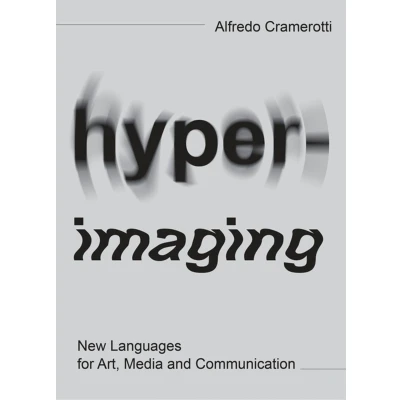
The book addresses the changes in how images behave, how they circulate and affect knowledge, subjectivity, and public exchange. It tackles the urgency that, from social media algorithms to user behaviors, from metadata architectures to interface logics, images today shape, prompt, and govern responses daily, relentlessly, and often invisibly. This book makes a case for images not as static representations, but as active practices. Hyper-Imaging: New Languages for Art, Media and Communication describes a condition in which images are processes and no longer end points – relays of action instead of representations. This, in turn, redefines curating as a form of active mediation between human attention and the invisible systems shaping it. Throughout the book, Alfredo Cramerotti weaves theoretical perspectives with case studies drawn from his curatorial experience and deeply engages with artists and thinkers whose work interrogates these shifting dynamics. This is a book about how images function: how they move, mutate, and coauthor meaning with machines, publics, and institutions. The goal is to equip curators, artists, scholars, and readers to better navigate this terrain: to engage critically, act creatively, and think infrastructurally. In the age of hyper-imaging, what is seeing is not the point; it is the system of seeing that must be curated. Dr. Alfredo Cramerotti is a scholar, curator, and cultural entrepreneur whose research examines the intersection of contemporary art, media, and digital culture. As Director of the Media Majlis Museum (mm:museum) at Northwestern University in Qatar, he leads research-driven exhibitions and curatorial initiatives that explore the role of media in shaping contemporary cultural narratives, including for major art biennials and cultural institutions worldwide. His academic inquiry focuses on the evolving nature of curatorial practice in relation to technological advancements, globalization, and digital transformation in the cultural sector. Hyper-imaging: New Languages for Art, Media and Communication describes a condition in which images are processes and no longer end points; relays of action instead of representations. In turn, this redefines curating as a form of active mediation between human attention and the invisible systems shaping it. Throughout the book, Dr. Cramerotti weaves theoretical perspectives with case studies drawn from his curatorial experience and deep engagements with artists and thinkers whose work interrogates these shifting dynamics. It offers a compelling argument that images are shifting from static representations to active practices, using the author’s curatorial experience to illustrate this transformation with clarity and depth. Thoroughly supported by scholarship and professional insight, the book shows how images circulate, shape our responses, and position artists and curators as key figures in evolving media theory. This is a book about how images function: how they move, mutate, and co-author meaning with machines, publics, and institutions. The goal is to equip curators, artists, scholars, and readers to better navigate this terrain: to engage critically, act creatively, and think infrastructurally. In the age of hyper-imaging, what is seeing is not the point; it is the system of seeing that must be curated.
 Prijshistorie
* Prijshistorie bevat geen data van Amazon, Amazon Marketplace.
Prijzen voor het laatst bijgewerkt op:
 Gerelateerde resultaten
 Productspecificaties


