

€ 9,24 Gratis verzending

Uitgelicht
|
|
9,24 |
Naar shop
|

|
10,50 |
Naar shop
|
| VERGELIJK ALLE AANBIEDERS (2) | ||
 Beschrijving
Vergelijk aanbieders (2)
€ 9,24 Gratis verzending
€ 10,50 € 2,99 verzendkosten Totaal € 13,49
Winkels met andere maten
Beschrijving
(1)
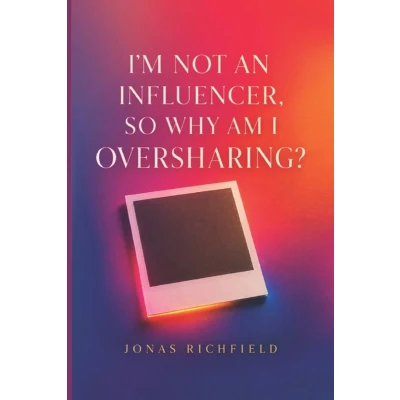
At some point, living became presenting.We photograph the meal before tasting it. We think about the post while the trip is still happening. We share our accomplishments, relationships, opinions, locations, families, fears, and ordinary Tuesdays with audiences we may barely know. Influencers have a business reason for broadcasting their lives. But for the rest of us, a more interesting question remains: Why are we oversharing?Drawing from psychology, communication research, history, philosophy, and everyday life, I'm Not an Influencer, So Why Am I Oversharing? examines how attention, validation, belonging, memory, social proof, habit, and the fear of disappearing can quietly turn private experiences into public performances.But this is not an argument against social media.It is an argument for choice.Through twenty-seven chapters, Jonas Richfield explores the psychology of self-disclosure, the imagined audience that follows us into our experiences, the privacy paradox, the difference between intimacy and visibility, and the boundaries between the public self, the private self, and the secret self.Because privacy is not the same as secrecy. Keeping something for yourself does not mean you are hiding. And intimacy becomes meaningful partly because not everyone receives the same access to you.Some photographs can stay in your phone.Some thoughts can remain in your journal.Some stories can belong to one person.Some beautiful moments can happen without witnesses.Your life does not have to become content in order to be real.
 Prijshistorie
 * Prijshistorie bevat geen data van Amazon.
Prijzen voor het laatst bijgewerkt op:
 Gerelateerde resultaten
 Productspecificaties


