


€ 13,99 Gratis verzending

Uitgelicht
|
|
13,99 |
Naar shop
|
| VERGELIJK ALLE AANBIEDERS (1) | ||
 Beschrijving
Vergelijk aanbieders (1)
€ 13,99 Gratis verzending
Winkels met andere maten
Beschrijving
(1)
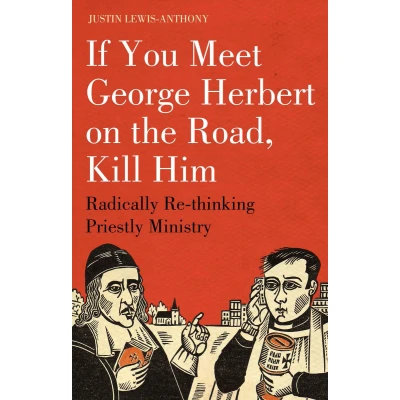
Priestly ministry in the Church of England needs a radical rethink...George Herbert died in 1633. His legacy continues. His poems are read and sung, and his parish ministry remains the model for the Church of England's understanding of how and where and why its priests should minister. But there is a problem. The memory of Herbert celebrated by the Church is an inaccurate one, and, in its inaccuracy, is unfair on Herbert himself and his successors in the ordained ministry. This is a book of the long view. It sets out to assess realistically the context of Herbert's life and to explore the difficulties of parish life today. By examining the status and role of parish clergy since Herbert's time and today, it draws on the work of historians, social anthropologists, psychologists and theologians, and presents their ideas in a readable and passionate style. It argues that the future strength of parochial ministry will be found in a recovery of historic, renewed understandings of priestly ministry, and concludes by outlining more sustainable patterns of practice for the future.In a climate of uncertainty for the future of the church, it will be an encouragement for priest and people, and welcomed by both.
 Productspecificaties
| EAN |
|
|---|---|
| Maat |
|
 Prijshistorie
 Prijzen voor het laatst bijgewerkt op:
 Gerelateerde resultaten


