


€ 125,00 Gratis verzending

Uitgelicht
|
|
125,00 |
Naar shop
|

|
158,99 |
Naar shop
|

|
158,99 |
Naar shop
|
| VERGELIJK ALLE AANBIEDERS (3) | ||
 Beschrijving
Vergelijk aanbieders (3)
€ 125,00 Gratis verzending
€ 158,99 Gratis verzending
€ 158,99 Gratis verzending
Winkels met andere maten
Beschrijving
(1)
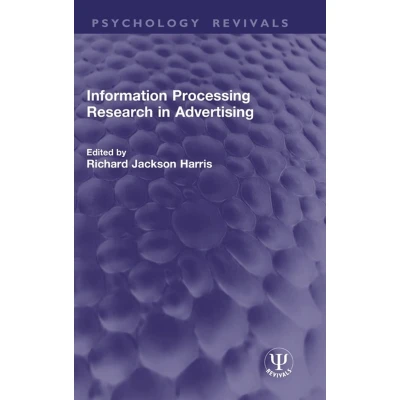
Scientific approaches to advertising research had been fragmented and only in the previous few years had the framework called information processing become a heuristic approach toward studying advertising. This book, first published in 1983, develops and explores this approach, through examination of research on a variety of problems. Originally published in 1983, Information Processing Research in Advertising was dedicated to helping bridge the interdisciplinary gap among psychologists, marketing researchers, linguists, and communication scientists at the time. In considering the many and varied effects of advertising, a very central issue is how the information in an ad is processed, that is, how people understand and remember what an ad said. Although this suggests that cognitive psychology could contribute directly to the study of advertising, it had not been the case until this point. Scientific approaches to advertising research had been fragmented and only in the previous few years had the framework called information processing become a heuristic approach toward studying advertising. It is this approach that this book develops and explores, through examination of research on a variety of problems. Today it can be read in its historical context.
 Prijshistorie
 * Prijshistorie bevat geen data van Amazon, Amazon Marketplace.
Prijzen voor het laatst bijgewerkt op:
 Gerelateerde resultaten
 Productspecificaties


