


€ 105,00 Gratis verzending

Uitgelicht
|
|
105,00 |
Naar shop
|
| VERGELIJK ALLE AANBIEDERS (1) | ||
 Beschrijving
Vergelijk aanbieders (1)
€ 105,00 Gratis verzending
Winkels met andere maten
Beschrijving
(1)
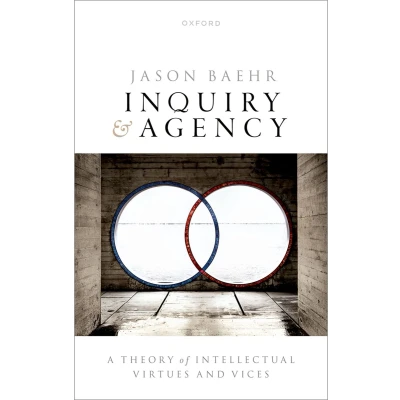
A systematic and systematic account of the nature, structure, and status of intellectual virtues and vices. It provides a conceptual model of intellectual virtues like curiosity, open-mindedness, and intellectual courage and intellectual vices like dogmatism, closed-mindedness, and intellectual arrogance. In Inquiry and Agency, Jason Baehr develops a systematic account of the nature, structure, and evaluative status of intellectual virtues and vices. Drawing on a theory of moral virtue by Robert Adams (2006), Baehr argues that intellectual virtues like curiosity, open-mindedness, and intellectual courage are ways of "excellently being for epistemic goods" that reflect favorably on who we are as persons, and that intellectual vices like dogmatism, narrow-mindedness, and intellectual arrogance are ways of falling short of this standard that contribute negatively to our personal worth. Inquiry and Agency is the most in-depth and systematic treatment of intellectual virtues and vices since Linda Zagzebski's pioneering work Virtues of the Mind (1996). While advancing several debates in virtue epistemology, it proposes a model of intellectual virtues and vices that will be accessible to non-experts and useful to researchers in other disciplines. Inquiry and Agency is the product of decades of reflection by a leading virtue epistemologist. It is essential reading for anyone interested in the characterological dimensions of the life of the mind.
 Productspecificaties
| EAN |
|
|---|---|
| Maat |
|
 Prijshistorie
 Prijzen voor het laatst bijgewerkt op:
 Gerelateerde resultaten


