


€ 149,00 Gratis verzending

Uitgelicht
|
|
149,00 |
Naar shop
|

|
160,49 |
Naar shop
|

|
160,49 |
Naar shop
|
| VERGELIJK ALLE AANBIEDERS (3) | ||
 Beschrijving
Vergelijk aanbieders (3)
€ 149,00 Gratis verzending
€ 160,49 Gratis verzending
€ 160,49 Gratis verzending
Winkels met andere maten
Beschrijving
(1)
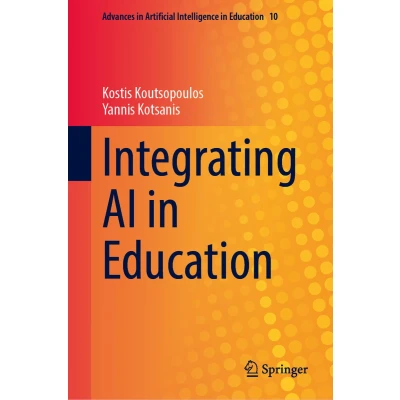
It outlines four domains of AI in education: AI literacy, AI as a pedagogical tool, AI for school operations, and AI as a high‑stakes decision system. This book provides a comprehensive as well as ethically grounded framework for integrating Artificial Intelligence (AI) into K-12 education. It looks at how effective AI adoption must prioritize ethics, accessibility, transparency, and inclusive governance. It also focuses on how to ensure that technological innovations genuinely support learning, protect students, and strengthen human agency. The framework of the volume is organized into three parts: foundational concepts, a detailed presentation of the toolkit’s pillars, and real-world case practices that demonstrate how the framework can be applied in educational settings. The authors discuss that ethical and accessible AI use varies depending on context and stakeholder. Ethical use covers areas such as data, algorithmic, pedagogical, social, and environmental considerations, while accessible AI use includes not only physical access but also accounts for cognitive, socioeconomic, cultural, and institutional dimensions. The book emphasizes that reiterating such concepts is necessary because their meaning shifts across different educational roles, for example: how ethics differs for students versus teachers, or how accessibility varies between learners with disabilities and educators seeking effective tools. It outlines four domains of AI in education: AI literacy, AI as a pedagogical tool, AI for school operations, and AI as a high‑stakes decision system. Each of these domains requires specific safeguards and competencies. The proposed toolkit supports whole‑system planning, includes case studies, and is aligned with global standards from UNESCO, UNICEF, and NIST.
 Prijshistorie
 * Prijshistorie bevat geen data van Amazon, Amazon Marketplace.
Prijzen voor het laatst bijgewerkt op:
 Gerelateerde resultaten
 Productspecificaties


