


€ 46,99 Gratis verzending

Uitgelicht
|
|
46,99 |
Naar shop
|

|
124,99 |
Naar shop
|
| VERGELIJK ALLE AANBIEDERS (2) | ||
 Beschrijving
Vergelijk aanbieders (2)
€ 46,99 Gratis verzending
€ 124,99 Gratis verzending
Winkels met andere maten
Beschrijving
(1)
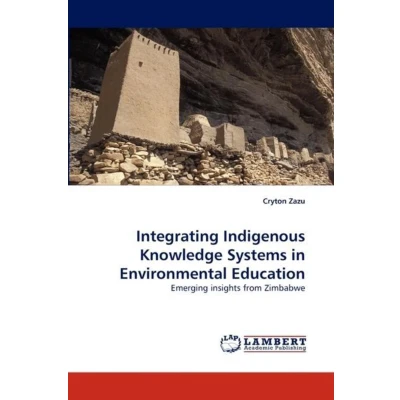
The role and value of indigenous knowledge systems in enhancing and contextualizing education has long been recognized (UNESCO,1978). Against this background a lot of research focusing on the documentation and study of the world''s indigenous knowledge systems, including those of Southern African countries was done. However, within the Southern African context much of this research did not translate into practical curriculum processes leaving educational processes de-contextualized (O''Donoghue, 2002; Mokuku, 2004; Shava,2005). The linkages between the school, the home and the wider community remained weak (Taylor & Mulhall,2001). The net effect of the limited integration of indigenous knowledge systems into mainstream environmental education processes has been that indigenous learners (such as those within the Sebakwe rural community) continued to get exposed to 2 different world views, the western scientific world view and the everyday life world views. The integration of indigenous knowledge systems into mainstream education such as the Sebakwe Environmental Education programme (SEEP) is 1 way of contextualizing education and improving its relevance to learners'' socio-cultural backgrounds
 Productspecificaties
| EAN |
|
|---|---|
| Maat |
|
 Prijshistorie
Prijzen voor het laatst bijgewerkt op:
 Gerelateerde resultaten


