


€ 132,00 Gratis verzending

Uitgelicht
|
|
132,00 |
Naar shop
|
| VERGELIJK ALLE AANBIEDERS (1) | ||
 Beschrijving
Vergelijk aanbieders (1)
€ 132,00 Gratis verzending
Winkels met andere maten
Beschrijving
(1)
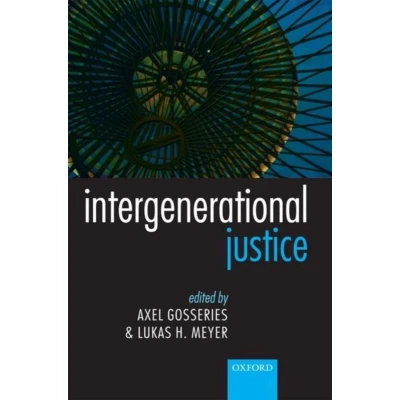
Is it fair to leave the next generation a public debt? Is it defensible to impose legal rules on them through constitutional constraints? From combating climate change to ensuring proper funding for future pensions, concerns about ethics between generations are everywhere. Sixteen philosophers present new explorations of intergenerational justice. Is it fair to leave the next generation a public debt? Is it defensible to impose legal rules on them through constitutional constraints? From combating climate change to ensuring proper funding for future pensions, concerns about ethics between generations are everywhere. In this volume sixteen philosophers explore intergenerational justice. Part One examines the ways in which various theories of justice look at the matter. These include libertarian, Rawlsian, sufficientarian, contractarian, communitarian, Marxian and reciprocity-based approaches. In Part Two, the authors look more specifically at issues relevant to each of these theories, such as motivation to act fairly towards future generations, the population dimension, the formation of preferences through education and how they impact on our intergenerational obligations, and whether it is fair to rely on constitutional devices.
 Productspecificaties
| EAN |
|
|---|---|
| Maat |
|
 Prijshistorie
 Prijzen voor het laatst bijgewerkt op:
 Gerelateerde resultaten


