


€ 48,79 Gratis verzending

Uitgelicht
|
|
48,79 |
Naar shop
|
| VERGELIJK ALLE AANBIEDERS (1) | ||
 Beschrijving
Vergelijk aanbieders (1)
€ 48,79 Gratis verzending
Winkels met andere maten
Beschrijving
(1)
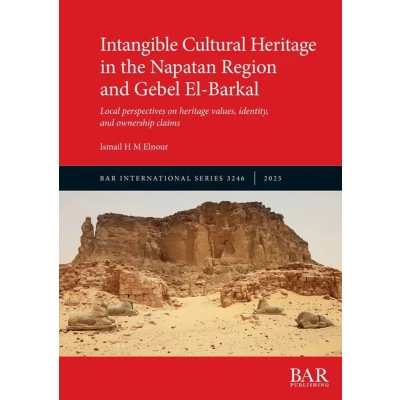
This study challenges conventional approaches to heritage management by examining the complex relationship between local communities and the UNESCO World Heritage Site of Gebel El-Barkal in Sudan. Moving beyond the elite-driven "Authorized Heritage Discourse," the author employs ethnographic and phenomenological methods to center local voices and their intangible cultural heritage.The research reveals how archaeological sites exist simultaneously as global monuments, national symbols, and living spaces imbued with everyday cultural meaning. By adopting a bottom-up approach, the study illuminates how local communities conceptualize these ancient places through their own knowledge systems, values, and identity claims-often in tension with official narratives. This nuanced exploration considers how factors including ethnicity, religion, social class, gender, and age position different community members in relation to heritage sites. The findings offer valuable insights for scholars, policymakers, and heritage professionals seeking more inclusive and sustainable approaches to cultural heritage management that honour local perspectives alongside global significance.
 Productspecificaties
| EAN |
|
|---|---|
| Maat |
|
 Prijshistorie
Prijzen voor het laatst bijgewerkt op:
 Gerelateerde resultaten


