


€ 171,25 € 169,00 Gratis verzending

Uitgelicht
|
|
171,25
169,00 |
Naar shop
|

|
330,99 |
Naar shop
|
| VERGELIJK ALLE AANBIEDERS (2) | ||
 Beschrijving
Vergelijk aanbieders (2)
€ 171,25 € 169,00 Gratis verzending
€ 330,99 Gratis verzending
Winkels met andere maten
Beschrijving
(1)
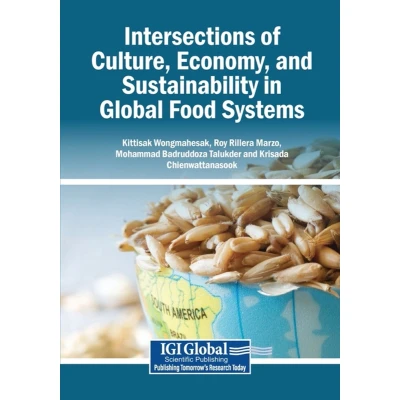
Global food systems are shaped by culture, economy, and sustainability. Cultural traditions influence what communities grow, prepare, and consume, embedding food with identity and heritage, while economic forces determine how food is produced, distributed, and accessed. Environmental challenges, like climate change, resource depletion, and biodiversity loss, demand more sustainable practices. Understanding the intersections of these forces reveals how interconnected human and ecological well-being are and highlights the need for approaches that honor cultural diversity, promote economic equity, and ensure long-term environmental resilience. Intersections of Culture, Economy, and Sustainability in Global Food Systems explores how cultural traditions, economic systems, and environmental factors interact to shape the production, distribution, and consumption of food. It examines the challenges and opportunities in creating food systems that are culturally respectful, economically fair, and environmentally sustainable. This book covers topics such as culinary heritage, sociology, and sustainable development, and is a useful resource for business owners, engineers, sociologists, academicians, researchers, and scientists.
 Prijshistorie
 * Prijshistorie bevat geen data van Amazon.
Prijzen voor het laatst bijgewerkt op:
 Gerelateerde resultaten
 Productspecificaties


