
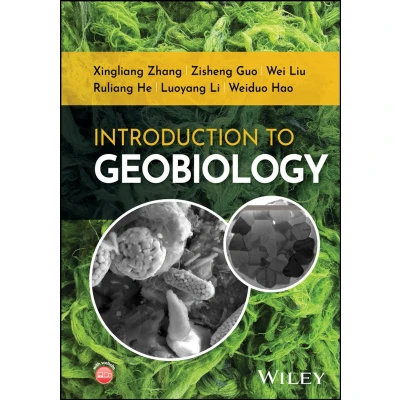
Introduction to Geobiology
Uitgelicht

|
109,27 |
Naar shop
|

|
111,00 |
Naar shop
|
| VERGELIJK ALLE AANBIEDERS (2) | ||
 Beschrijving
Bol
An introduction to how life has colonized and shaped the Earth, turning it into the habitable planet of today Exploring the geological basis for life on Earth, Introduction to Geobiology systematically examines the interaction between the geosphere and the biosphere, including its evolutionary history. In this didactically written text, readers will learn about the various modes of interaction between living and inorganic environments, emphasizing the geological significance of metabolism and the basis of life in extreme environments, the geobiological role and geological record of microbial ecosystems, and the material and energy cycles between the geosphere and the biosphere. The book also explores geological imprint of biological processes such as biomineralization, biosedimentation, and biological weathering of minerals and rocks, as well as the co-evolution process between organisms and the environment. Based on a highly successful course taught by the authors for more than 20 years, Introduction to Geobiology includes information on: Domains and kingdoms of cellular life, classification of organisms according to their metabolism Ecological and metabolic diversity in marine and terrestrial environments, including extreme environments Using microbial ecosystems as a model for exploring life beyond earth Oxygen, carbon, nitrogen, sulfur, phosphorus, and iron cycles Biosedimentation investgating biological processes in making rocks Bioerosion, macroborers and microborers, biological and lichen weathering, and soil development Introduction to Geobiology is an excellent textbook for senior undergraduate and graduate students in geology or microbiology seeking to learn about geobiology and the origin of life on Earth. It also provides a strong foundation for the study of astrobiology: the conditions under which life on other planets may develop. An introduction to how life has colonized and shaped the Earth, turning it into the habitable planet of today Exploring the geological basis for life on Earth, Introduction to Geobiology systematically examines the interaction between the geosphere and the biosphere, including its evolutionary history. In this didactically written text, readers will learn about the various modes of interaction between living and inorganic environments, emphasizing the geological significance of metabolism and the basis of life in extreme environments, the geobiological role and geological record of microbial ecosystems, and the material and energy cycles between the geosphere and the biosphere. The book also explores geological imprint of biological processes such as biomineralization, biosedimentation, and biological weathering of minerals and rocks, as well as the co-evolution process between organisms and the environment. Based on a highly successful course taught by the authors for more than 20 years, Introduction to Geobiology includes information on: Domains and kingdoms of cellular life, classification of organisms according to their metabolism Ecological and metabolic diversity in marine and terrestrial environments, including extreme environments Using microbial ecosystems as a model for exploring life beyond earth Oxygen, carbon, nitrogen, sulfur, phosphorus, and iron cycles Biosedimentation investgating biological processes in making rocks Bioerosion, macroborers and microborers, biological and lichen weathering, and soil development Introduction to Geobiology is an excellent textbook for senior undergraduate and graduate students in geology or microbiology seeking to learn about geobiology and the origin of life on Earth. It also provides a strong foundation for the study of astrobiology: the conditions under which life on other planets may develop.


 Beschrijving
(1)
Beschrijving
(1)
An introduction to how life has colonized and shaped the Earth, turning it into the habitable planet of today Exploring the geological basis for life on Earth, Introduction to Geobiology systematically examines the interaction between the geosphere and the biosphere, including its evolutionary history. In this didactically written text, readers will learn about the various modes of interaction between living and inorganic environments, emphasizing the geological significance of metabolism and the basis of life in extreme environments, the geobiological role and geological record of microbial ecosystems, and the material and energy cycles between the geosphere and the biosphere. The book also explores geological imprint of biological processes such as biomineralization, biosedimentation, and biological weathering of minerals and rocks, as well as the co-evolution process between organisms and the environment. Based on a highly successful course taught by the authors for more than 20 years, Introduction to Geobiology includes information on: Domains and kingdoms of cellular life, classification of organisms according to their metabolism Ecological and metabolic diversity in marine and terrestrial environments, including extreme environments Using microbial ecosystems as a model for exploring life beyond earth Oxygen, carbon, nitrogen, sulfur, phosphorus, and iron cycles Biosedimentation investgating biological processes in making rocks Bioerosion, macroborers and microborers, biological and lichen weathering, and soil development Introduction to Geobiology is an excellent textbook for senior undergraduate and graduate students in geology or microbiology seeking to learn about geobiology and the origin of life on Earth. It also provides a strong foundation for the study of astrobiology: the conditions under which life on other planets may develop. An introduction to how life has colonized and shaped the Earth, turning it into the habitable planet of today Exploring the geological basis for life on Earth, Introduction to Geobiology systematically examines the interaction between the geosphere and the biosphere, including its evolutionary history. In this didactically written text, readers will learn about the various modes of interaction between living and inorganic environments, emphasizing the geological significance of metabolism and the basis of life in extreme environments, the geobiological role and geological record of microbial ecosystems, and the material and energy cycles between the geosphere and the biosphere. The book also explores geological imprint of biological processes such as biomineralization, biosedimentation, and biological weathering of minerals and rocks, as well as the co-evolution process between organisms and the environment. Based on a highly successful course taught by the authors for more than 20 years, Introduction to Geobiology includes information on: Domains and kingdoms of cellular life, classification of organisms according to their metabolism Ecological and metabolic diversity in marine and terrestrial environments, including extreme environments Using microbial ecosystems as a model for exploring life beyond earth Oxygen, carbon, nitrogen, sulfur, phosphorus, and iron cycles Biosedimentation investgating biological processes in making rocks Bioerosion, macroborers and microborers, biological and lichen weathering, and soil development Introduction to Geobiology is an excellent textbook for senior undergraduate and graduate students in geology or microbiology seeking to learn about geobiology and the origin of life on Earth. It also provides a strong foundation for the study of astrobiology: the conditions under which life on other planets may develop.
 Productspecificaties
 Prijshistorie
* Prijshistorie bevat geen data van Amazon.
Prijzen voor het laatst bijgewerkt op:
 Gerelateerde resultaten


