


€ 119,00 Gratis verzending

Uitgelicht
|
|
119,00 |
Naar shop
|

|
121,25 |
Naar shop
|
| VERGELIJK ALLE AANBIEDERS (2) | ||
 Beschrijving
Vergelijk aanbieders (2)
€ 119,00 Gratis verzending
€ 121,25 € 3,14 verzendkosten Totaal € 124,39
Winkels met andere maten
Beschrijving
(1)
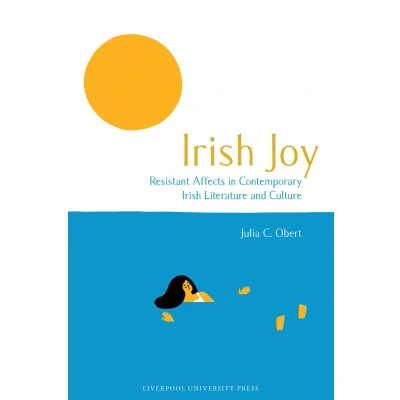
Ebook available to libraries exclusively as part of the JSTOR Path to Open initiative. This book examines joy and other related affective practices (pleasure, belonging) in contemporary Irish literature and culture. Ebook available to libraries exclusively as part of the JSTOR Path to Open initiative. This book examines joy and other related affective practices (pleasure, belonging) in contemporary Irish literature and culture. It corrects characterizations of Irish writing as pathologically melancholic by locating joyful noise in that writing. Although the texts it analyses are hardly utopian, they nonetheless treat joy as a politically potent force. This argument relies on an understanding of joy as non-therapeutic; rather, taking its cues from wake culture, Irish joy can be a buoyancy that dwells with grief and becomes a locus of survival. Expressing joy can therefore be a radically resistant practice. The book also borrows Spinoza’s definition of joy as “emergent capacity”: as becoming capable of new things, particularly in tandem with others; as nurturing enabling ways of being together. In other words, joy can marshal collective action rather than simply being atomizingly self-indulgent. In the chapters herein, the author examines literature from both Northern Ireland and the Irish Republic to comment on the complex interleavings of joy and grief in contemporary Ireland, and to highlight the ways in which this affective landscape can foster community, can spur political action, and, crucially, in Ross Gay’s words, can become a “practice of survival” for the island’s most marginalized populations.
 Prijshistorie
 * Prijshistorie bevat geen data van Amazon.
Prijzen voor het laatst bijgewerkt op:
 Gerelateerde resultaten
 Productspecificaties


