
Iron Cradle
Uitgelicht

|
13,00 |
Naar shop
|

|
13,78 |
Naar shop
|

|
13,78 |
Naar shop
|
| VERGELIJK ALLE AANBIEDERS (3) | ||
 Beschrijving
Bol
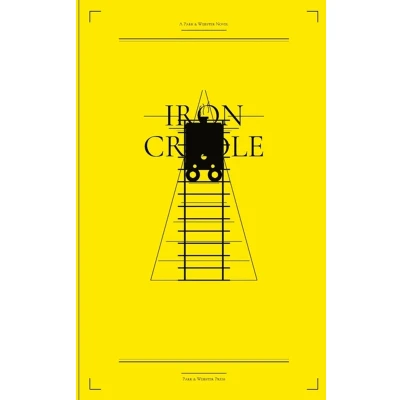
The city of Vakhra never stops moving. A train of thirty-four cars, it has circled the same loop for sixty-one years-carrying eleven thousand people, running on routine, held together by the engineers who keep the track ahead of it safe. When Senne Okar finds gaps in her inspection drones' footage, deliberately edited and precisely placed, she knows two things: the track ahead has been sabotaged, and someone in power helped do it. What follows is a race against distance and time-to fix the rail, to expose the conspiracy, and to stop the city from being torn in two. Iron Cradle is a gripping speculative thriller about what it means to protect something worth keeping, and what it costs to finally ask where it's going. Vakhra is a city-train: thirty-four cars, approximately half a mile from locomotive to rear observation window, running a continental circuit that takes sixty-one days to complete. The city's 11,000 residents were born on the train, as their parents were, as their grandparents were. They have the Rind-a vast post-catastrophe wasteland-as their only landscape. They have the amber sky and the geological formations of what was once a coastal plain. They have the hum in the floor, the specific vibration of secondary rail at forty-seven miles per hour, as their most constant sensory experience.The city's political structure centers on a distinction between Movers and Holders and Grounders-a class system organized around proximity to the founding logic. Movers are the engineers and administrators who keep the city running; they have first access to housing, resources, and political representation. Holders are the working population of the middle and rear cars, essential to the city's functioning but structurally excluded from its governance. Grounders are a small group, concentrated in the rear cars, who have always believed the Loop will eventually end-who have, for sixty-one years, been treated as heretics for believing that the city was meant to go somewhere.The world of the novel is elaborated entirely through the texture of daily life on the train. There are no infodumps, no explanatory passages. Vakhra's economics emerge from a handwritten sign on a water dispenser. Its class stratification emerges from a shift schedule and an allocation formula. Its history emerges from what Senne notices as she walks from Car 3 to Car 31 for the first time in a decade, seeing the rear district not as a maintenance zone but as a city half that has been making itself livable without much help.


 Beschrijving
(1)
Beschrijving
(1)
The city of Vakhra never stops moving. A train of thirty-four cars, it has circled the same loop for sixty-one years-carrying eleven thousand people, running on routine, held together by the engineers who keep the track ahead of it safe. When Senne Okar finds gaps in her inspection drones' footage, deliberately edited and precisely placed, she knows two things: the track ahead has been sabotaged, and someone in power helped do it. What follows is a race against distance and time-to fix the rail, to expose the conspiracy, and to stop the city from being torn in two. Iron Cradle is a gripping speculative thriller about what it means to protect something worth keeping, and what it costs to finally ask where it's going. Vakhra is a city-train: thirty-four cars, approximately half a mile from locomotive to rear observation window, running a continental circuit that takes sixty-one days to complete. The city's 11,000 residents were born on the train, as their parents were, as their grandparents were. They have the Rind-a vast post-catastrophe wasteland-as their only landscape. They have the amber sky and the geological formations of what was once a coastal plain. They have the hum in the floor, the specific vibration of secondary rail at forty-seven miles per hour, as their most constant sensory experience.The city's political structure centers on a distinction between Movers and Holders and Grounders-a class system organized around proximity to the founding logic. Movers are the engineers and administrators who keep the city running; they have first access to housing, resources, and political representation. Holders are the working population of the middle and rear cars, essential to the city's functioning but structurally excluded from its governance. Grounders are a small group, concentrated in the rear cars, who have always believed the Loop will eventually end-who have, for sixty-one years, been treated as heretics for believing that the city was meant to go somewhere.The world of the novel is elaborated entirely through the texture of daily life on the train. There are no infodumps, no explanatory passages. Vakhra's economics emerge from a handwritten sign on a water dispenser. Its class stratification emerges from a shift schedule and an allocation formula. Its history emerges from what Senne notices as she walks from Car 3 to Car 31 for the first time in a decade, seeing the rear district not as a maintenance zone but as a city half that has been making itself livable without much help.
 Productspecificaties
 Prijshistorie
* Prijshistorie bevat geen data van Amazon, Amazon Marketplace.
Prijzen voor het laatst bijgewerkt op:
 Gerelateerde resultaten


