


€ 29,00 Gratis verzending

Uitgelicht
|
|
29,00 |
Naar shop
|
| VERGELIJK ALLE AANBIEDERS (1) | ||
 Beschrijving
Vergelijk aanbieders (1)
€ 29,00 Gratis verzending
Winkels met andere maten
Beschrijving
(1)
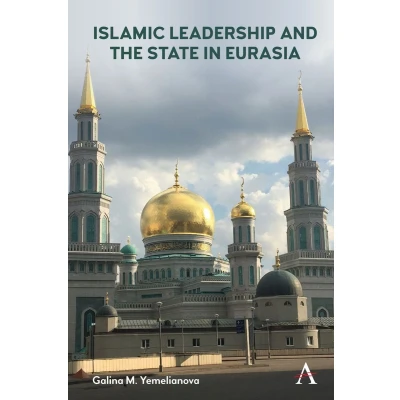
The book presents the first integrated study of the relationship between official Islamic leadership (muftiship), non-official Islamic authorities, grassroots Muslim communities and the state in post-Communist Eurasia. It employs a history-based perspective and compares this relationship to that in both the Middle East and Western Europe. The book presents the first integrated study of the relationship between official Islamic leadership (muftiship), non-official Islamic authorities, grassroots Muslim communities and the state in post-Communist Eurasia, encompassing Lithuania, Belarus, Ukraine, the Volga-Urals, Crimea, the North Caucasus, Azerbaijan and ex-Soviet Central Asia. It employs a history-based perspective and compares this relationship to that in both the Middle East and Western Europe. It argues that the nature and role of official Islamic leadership, as well as state-Muslim relations in most of the post-Soviet lands, have largely retained their particular national and broader Eurasian character, which distinguishes them from what prevails in the Middle East and Western Europe. At the same time, the increasing political ‘Europeanisation’ of Lithuania and Ukraine since 2014 and, to some extent, Belarus, has accounted for their divergence towards the Western model of state-Muslim relations.
 Productspecificaties
| EAN |
|
|---|---|
| Maat |
|
 Prijshistorie
 Prijzen voor het laatst bijgewerkt op:
 Gerelateerde resultaten


