


€ 14,99 Gratis verzending

Uitgelicht
|
|
14,99 |
Naar shop
|

|
21,24 |
Naar shop
|

|
21,24 |
Naar shop
|
| VERGELIJK ALLE AANBIEDERS (3) | ||
 Beschrijving
Vergelijk aanbieders (3)
€ 14,99 Gratis verzending
€ 21,24 Gratis verzending
€ 21,24 Gratis verzending
Winkels met andere maten
Beschrijving
(1)
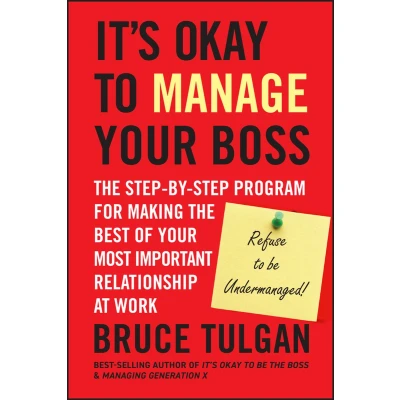
Most employees today answer to multiple bosses at any given time, some directly, and others indirectly. Often employees are pulled in different directions by competing authority figures with competing interests, most of whom have the ability to help or to harm the employee's daily work conditions, rewards, and longer term career prospects. Employees are also working harder and facing increasing pressure to work longer, smarter, faster, and better, while adjusting to ongoing organizational changes working in smaller teams with greater requirements. Meanwhile, their managers provide much less guidance, direction, and support than their direct-reports need in order to succeed in today's high-pressure environment. In this follow-up to the bestselling It's Okay to Be the Boss, Bruce Tulgan shows that the number one factor in employee productivity, work-quality, morale and retention is the relationship between employees and their immediate managers. Unfortunately, he argues, we have been focusing so much on the skills and habits of the managers, that we have neglected the role of the employee in these relationships. In It's Okay to Manage Your Boss, Tulgan will first explore the 10 myths about how one should be managed and how to manage up that so-called experts and books have perpetuated over the years. After exploring these myths, he will help readers take responsibility for getting the following four essential things from their boss(es) in order to succeed at their job: Clearly spelled out and reasonable expectations (that is, clear goals with specific guidelines and a concrete timetable to accomplish them). The skills, tools, and resources necessary to accomplish those expectations, or else the acknowledgement that you are being asked to achieve those expectations without the skills, tools, or resources that you need. Accurate and honest feedback about your performance as well as course-correcting direction when necessary. A fair quid pro quo--recognition and rewards--in exchange for your performance.
 Prijshistorie
 * Prijshistorie bevat geen data van Amazon, Amazon Marketplace.
Prijzen voor het laatst bijgewerkt op:
 Gerelateerde resultaten
 Productspecificaties


